

Key takeaways
- Measure correctly: Use a soft tape around the head about one finger above the eyebrows and around the widest part at the back. Compare with the maker’s size chart. One budget helmet in a roundup lists a fit range of 56 to 61 cm.
- Head shape: Brands differ between rounder and more oval shapes. A helmet that fits one rider perfectly can pinch or rock on another.
- Snug but not painful: The helmet should sit level, low on the forehead, and not move independently of the skin when you shake your head.
- Harness and dial: Troxel’s DialFit and the Ovation’s reinforced adjustment teeth fine-tune the fit. The chin strap should be snug with room for a finger.
- Hair and bun space: Riders with long hair may want a style with extra back room or an adjustable system.
The best horse riding helmet for an adult is the one that carries a current safety certification such as ASTM F1163 with SEI, fits your head shape snugly without pressure points, and suits your budget and discipline: Troxel Spirit or Sport 2.0 and the Ovation Deluxe Schooler cover everyday and schooling use at the budget to mid-range level, while Charles Owen and Samshield sit in the premium tier with additional certifications and, on some models, MIPS. Fit and certification matter more than looks, so start with the standard, then the size, then the extras. This guide compares helmets that 2026 roundups name, explains the certifications, and gives fit and replacement notes.
Our top picks


As an Amazon Associate we earn from qualifying purchases at no extra cost to you.
Adult Riding Helmets at a Glance
| Helmet | Best for | Stated certification and features | Limits |
|---|---|---|---|
| Troxel Spirit | Everyday riding and lessons | ASTM F1163 and SEI certified; DialFit adjustment dial, removable liner, low profile (per a 2026 roundup) | No MIPS on the standard model |
| Troxel Spirit MIPS | Riders wanting a MIPS layer on a budget-friendly shell | Described by one site as its best MIPS equestrian helmet | MIPS adds cost and is not a guarantee |
| Troxel Sport 2.0 | Trail and sport riding | ASTM F1163 and SEI; injection-molded shell, integrated visor, seven large vents | Visor style is not for show rings |
| Ovation Deluxe Schooler | Schooling and lessons | ASTM F1163 and SEI; stronger adjustment teeth, rubberized shell, YKK hardware | Basic features |
| Charles Owen My PS with MIPS | Premium everyday use | Reported as ASTM and SEI certified, PAS 015, VG1, with MIPS | Premium tier |
| Charles Owen AYR8 Plus | Competition riders | Reported as triple certified: ASTM, PAS 015 and VG1 | Top-tier cost |
| Charles Owen Halo Luxe | Style plus safety | Reported as ASTM, VG1 and PAS 015 with MIPS | Premium tier |
| Samshield Shadowmatt | Show riders wanting a sleek profile | Reported as ASTM and SEI certified | Premium tier |
Understanding Certifications
In the United States, equestrian helmets should be certified to ASTM F1163 and carry the SEI mark, which indicates the helmet passed impact testing for riding. Some helmets also carry European standards such as PAS 015 or the VG1 standard. Several competition bodies set their own helmet rules, so check your discipline’s current rulebook before buying for events.
Certification tells you a helmet passed a baseline test, not that it prevents injury. Riding is an activity with real risk of head injury, and a helmet reduces risk without eliminating it. If you are hit on the head, replace the helmet even if you cannot see damage, and see a doctor if you have any symptoms.
What about MIPS and independent testing?
MIPS is a layer designed to allow slight rotation on impact. Roundups list it on the Charles Owen My PS and Halo Luxe and on the Troxel Spirit MIPS. One guide notes that safety-minded riders may combine ASTM and SEI certification with MIPS and validation from the Virginia Tech STAR rating program, and says Charles Owen, Samshield and One K consistently rank highest in that testing. Many of these roundups are affiliate-style, so consult the Virginia Tech STAR ratings directly for objective comparison.
Fit: The Part That Matters Most
- Measure correctly: Use a soft tape around the head about one finger above the eyebrows and around the widest part at the back. Compare with the maker’s size chart. One budget helmet in a roundup lists a fit range of 56 to 61 cm.
- Head shape: Brands differ between rounder and more oval shapes. A helmet that fits one rider perfectly can pinch or rock on another.
- Snug but not painful: The helmet should sit level, low on the forehead, and not move independently of the skin when you shake your head.
- Harness and dial: Troxel’s DialFit and the Ovation’s reinforced adjustment teeth fine-tune the fit. The chin strap should be snug with room for a finger.
- Hair and bun space: Riders with long hair may want a style with extra back room or an adjustable system.
Features That Affect Everyday Use
Ventilation
The Troxel Sport 2.0 lists seven large vents, which helps in warm weather. Premium helmets use vent designs that move air without compromising the shell, but vent count alone does not determine comfort.
Visors
Integrated visors, as on the Sport 2.0, help with sun glare on trails. Many show rings prefer helmets without them, so match style to discipline.
Liners and washability
Removable liners, as on the Troxel Spirit, make cleaning easier and keep sweat odor down. Wipe the shell with mild soap and water, avoid solvents, and let the liner dry fully.
Weight
Lighter helmets reduce neck fatigue, but a lighter helmet is not necessarily safer. Prioritize certification and fit first.
Budget, Mid-Range and Premium Tiers
Budget
The Ovation Deluxe Schooler and Troxel Liberty are ASTM and SEI certified and often used for lessons. Roundups describe them as the entry point for adult riders. They lack premium extras but meet the certification baseline.
Mid-range
Troxel Spirit, Spirit MIPS and Sport 2.0 sit here, with adjustment dials, removable liners and, on some models, MIPS. Several sites name the Troxel Spirit Duratec as the best overall.
Premium
Charles Owen and Samshield offer additional certifications, custom-feeling fit systems and polished finishes. Charles Owen’s AYR8 Plus is reported to hold ASTM, PAS 015 and VG1 together. These helmets cost more, and the gains are mostly in finish, fit refinement and added certifications.
Pick X If… Decision Table
| Pick this | If you… |
|---|---|
| Ovation Deluxe Schooler | take lessons or want a certified helmet at a lower cost |
| Troxel Spirit | want a comfortable everyday helmet with a dial adjustment |
| Troxel Spirit MIPS | want a MIPS layer in a mid-range helmet |
| Troxel Sport 2.0 | ride trails and want a visor and vents |
| Charles Owen My PS with MIPS | want multiple certifications and MIPS in a premium helmet |
| Samshield Shadowmatt | compete and want a sleek low-profile shape |
Choosing by Discipline
Lessons and schooling
A certified helmet with a simple adjustment system is enough for most lesson riders. The Ovation Deluxe Schooler is described in a 2026 roundup as built with extra-strong adjustment teeth, a rubberized outer shell and YKK hardware, which suits a helmet that is put on and taken off frequently and shared by a growing rider’s changing needs. The Troxel Spirit gives a step up in adjustability with its dial.
Trail and pleasure riding
Trail riders spend longer hours outdoors, so ventilation and a visor matter. The Troxel Sport 2.0 lists an integrated visor and seven large vents, and the roundup notes its injection-molded shell. Riders in hot climates should also consider how well a liner wicks sweat and whether it can be removed and washed.
Showing and competition
Show riders often prefer sleek, low-profile helmets with a velvet or matte finish, which is where Samshield and Charles Owen are most visible. Events may require specific standards, so read the rulebook of your governing body before buying. A helmet that is allowed in schooling may not be allowed in an event.
Eventing and cross-country
Riders who jump at speed often choose helmets with the most stringent standards and extra coverage at the back of the head. Charles Owen’s multi-certified models are the kind of helmet reviewers mention for this use, but fit and certification should still lead the decision.
Replacement and Care
Replace a helmet after any significant impact, whether or not damage is visible, and follow the maker’s advice on age limits, which many makers set at around five years or less from first use. Keep it out of hot cars and away from solvents, stickers and paints that can weaken the shell. Store it in a padded bag and never use a helmet that has been dropped hard on concrete without having it assessed. Never buy used, because you cannot know its history.
Alternatives to Consider
- Skull caps with covers: Used in some show disciplines, but they must still meet the required certification.
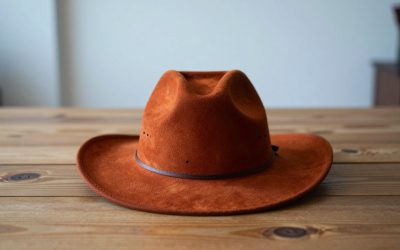
- Western-style helmets: Some brands offer brimmed styles that carry ASTM and SEI certification.
- Cross-country helmets: Designed for eventing with ventilation and, in some cases, additional certifications.
Frequently Asked Questions
What certification should an adult riding helmet have?
In the United States, look for ASTM F1163 with the SEI mark. Some helmets also carry PAS 015 or VG1. Check your discipline’s rules for any specific requirement.
Is MIPS necessary?
It is optional. MIPS is designed to manage rotational forces, and some riders choose it for added peace of mind. A certified helmet that fits properly remains the priority.
How should a riding helmet fit?
It should sit level and snug, low on the forehead, without pressure points. It should not slide when you shake your head, and the chin strap should be snug. Try on several sizes and brands.
How often should I replace my helmet?
Replace it after any significant impact and when the maker’s age guidance says so. Many makers suggest replacement after about five years. Ask your helmet maker about its policy.
Are budget helmets safe?
Budget helmets that carry ASTM and SEI certification have passed the standard’s tests. Premium helmets may add comfort, finish and extra certifications. A well-fitting budget helmet is better than an ill-fitting premium one.
Can I wear a bicycle helmet for riding?
Bicycle helmets are not designed for equestrian impacts, such as a fall from height or a kick, and they do not carry the riding standard. Use a helmet certified for riding.







Write Your Review
No reviews yet. Be the first to share your experience!