

Key takeaways
- Zips fail first. A broken zip is the most common reason for replacing a tall boot.
- Stirrup rub. The inner ankle wears through on paddock boots without half chaps.
- Conditioning. Clean and condition leather monthly to avoid cracking.
- Boot trees. Store tall boots upright to keep the shape.
The best horse riding boots for men depend on your discipline: a tall field or dress boot such as the Ariat Heritage Contour II suits English riding and showing, a paddock boot with half chaps suits lessons and daily riding, and a western roper-style boot such as the Ariat Heritage Roper suits ranch and trail work. Fit through the calf and a proper heel matter as much as the leather. This guide is built from manufacturer descriptions and standard tack-shop sizing advice, not personal testing.
Quick Comparison of the Picks
| Pick | Best for | Style | Closure | Price tier |
|---|---|---|---|---|
| Ariat Heritage Contour II field boot | English riding and shows | Tall field boot | Front zip with laces | Mid to premium |
| Ariat Heritage IV paddock boot | Daily riding and lessons | Lace-up paddock | Laces and zip | Mid |
| Mountain Horse Sovereign paddock boot | Comfort and durability | Paddock boot | Laces | Mid |
| Tredstep Donatello dress boot | Dressage | Tall dress boot | Back zip, stiff shaft | Premium |
| Ariat Heritage Roper | Western, ranch and trail | Pull-on roper | Pull-on | Mid |
Best Overall for English Riding: Ariat Heritage Contour II Field Boot
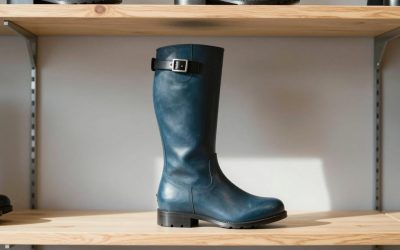
Ariat’s Contour series is popular with English riders because of its stretch panels and zip, which make a tall boot easier to pull on. The boot combines a supportive footbed with a leather upper, and it works for schooling and low-level showing. The shaft height gives clear contact with the horse’s side for leg aids.
The trade-off is calf fit. Tall boots are sold in a range of calf widths and shaft heights, so measure carefully, as a boot that sags will wrinkle and rub.
Best Paddock Boot: Ariat Heritage IV
Paddock boots paired with half chaps are the practical choice for lessons and daily riding. The Heritage IV uses a laced front and a zip, offering a comfortable fit with a supportive sole. It is easier to walk in than a tall boot.
Wear half chaps with it, since a paddock boot alone leaves the lower leg exposed to stirrup rub.
Best for Comfort and Durability: Mountain Horse Sovereign
Mountain Horse is a Swedish equestrian brand with a reputation for sturdy, comfortable boots. The Sovereign paddock boot is aimed at riders who spend long hours at the barn and want a robust, supportive shoe.
Fit runs narrower in some versions than Ariat, so try it on with riding socks.
Best for Dressage: Tredstep Donatello
Dressage riders choose a stiff, tall boot to give a long leg line and support. Tredstep’s Donatello is a long-standing option in this category, with a back zip and structured shaft.
The premium cost and stiff break-in make this a choice for committed competition riders. Expect a period of wearing in.
Best Western Option: Ariat Heritage Roper
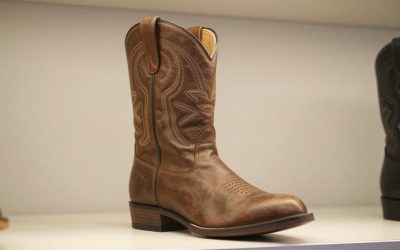
For western riding, the Heritage Roper has a low, flat heel, a rounded toe and a pull-on style. It suits trail, ranch and arena use, and feels more comfortable off the horse than a tall English boot.
Check the heel height. A roper heel is lower than a classic cowboy boot, which works for modern riding but may feel different if you are used to a taller heel.
How to Choose by Discipline
| Discipline | Boot type | Heel | Typical shaft |
|---|---|---|---|
| Hunter, jumper | Field boot or paddock with half chaps | About 1 in. (2.5 cm) | Tall, flexible |
| Dressage | Tall dress boot | About 1 in. (2.5 cm) | Tall, stiff |
| Trail, leisure | Paddock boot with half chaps | Low | Ankle |
| Western | Roper or cowboy boot | 1.5 to 2 in. (4 to 5 cm) | Pull-on |
| Barn and ground work | Waterproof work boot | Low, grippy | Ankle to mid-calf |
The Heel Rule
Riding boots need a defined heel, usually about an inch for English riding, to stop the foot sliding through the stirrup. A flat trainer or work boot is a safety risk because it can slip through.
Measuring for Tall Boots
Measure three points: calf circumference at the widest point, leg length from the back of the knee to the floor, and foot length. Compare these to the brand’s chart, and choose a standard, slim or wide calf fit where offered. Sit when measuring, because a boot has to fit with the knee bent.
Leather or Synthetic
Leather moulds to the foot and lasts longer with care, while synthetic boots are lighter and cheaper but less breathable. Choose leather for regular use and synthetic for occasional riders.
Cost per Ride: A Worked Example
If you ride three times a week and a good pair of paddock boots lasts about three years, you wear them around 450 times. A mid-priced pair divided across those rides costs very little per ride, while a cheaper pair that cracks within a year costs more in the end. Resoling and conditioning extend the life of quality boots.
Durability and Ownership Realities
- Zips fail first. A broken zip is the most common reason for replacing a tall boot.
- Stirrup rub. The inner ankle wears through on paddock boots without half chaps.
- Conditioning. Clean and condition leather monthly to avoid cracking.
- Boot trees. Store tall boots upright to keep the shape.
Common Mistakes
Many men buy a boot by shoe size alone, but calf fit is the main variable. Another mistake is choosing a work boot with a large tread, which can catch in a stirrup. Finally, wearing new tall boots straight into a show leads to blisters, so break them in first.
Breaking In and Looking After Riding Boots
New leather boots need a gentle break-in. Wear them around the house or on short rides for a week, with the socks you plan to ride in, and flex the ankles often. A little conditioner on the flex points softens the leather. Avoid soaking boots or drying them near a heater, since heat can crack leather and warp the sole.
After each ride, wipe off sweat and dirt and stuff the boots with newspaper if they are damp. Use boot trees for tall boots to keep the shaft upright. A cobbler can replace heels, resole worn boots and repair stitching at a fraction of the price of new boots, which is why quality leather boots often pay for themselves over time.
Socks and Half Chaps
Thin, knee-high riding socks reduce rubbing and keep the boot from bunching at the calf. If you choose a paddock boot, pick half chaps with the same colour and a close calf fit, and check that the top edge sits comfortably below the knee joint.
Frequently Asked Questions
What boots should a man wear for horse riding?
A paddock boot with half chaps is the most practical choice for beginners and lessons. Tall boots suit competition, and roper boots suit western riding.
Can I ride in cowboy boots?
Yes, western boots are made for riding, but choose a smooth sole and a defined heel. Avoid chunky work-boot treads that can catch in the stirrup.
Do I need a heel on riding boots?
Yes, a small heel stops your foot from slipping through the stirrup, which is an important safety feature.
How should tall riding boots fit?
They should fit snugly through the calf and foot, with enough room to flex the knee. They will relax and mould slightly with wear.
How do I care for leather riding boots?
Wipe them after each ride, condition the leather regularly, and let wet boots dry away from direct heat.
Which Riding Boot Should You Buy?
Pick the Ariat Heritage Contour II for English riding, the Heritage IV or Mountain Horse Sovereign for paddock use, the Tredstep Donatello for dressage, and the Ariat Heritage Roper for western work. Measure your calf and leg carefully and choose a proper heel.





Write Your Review
No reviews yet. Be the first to share your experience!