

Key takeaways
- Most horse blankets can be washed at home by brushing off the hair and mud, pre-treating stains, washing in cool or lukewarm water with a gentle.
Most horse blankets can be washed at home by brushing off the hair and mud, pre-treating stains, washing in cool or lukewarm water with a gentle, residue-free cleaner, rinsing thoroughly and air drying flat or over a line. The one rule that overrides everything else is the care label: if it says hand wash, cold only or do not machine wash, follow it.
Washing at home saves a trip to a professional cleaner and keeps a blanket on your horse sooner, but it has to be done carefully. Harsh detergent, high heat or a rushed rinse can strip coatings, clog breathable fabric or leave residue that irritates skin. Here is how to do it safely before the winter rush of 2026.
Figure Out What You Are Washing
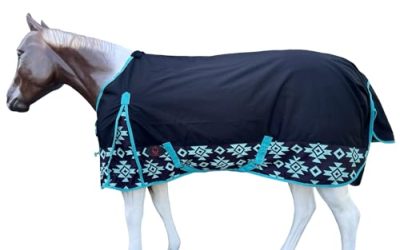
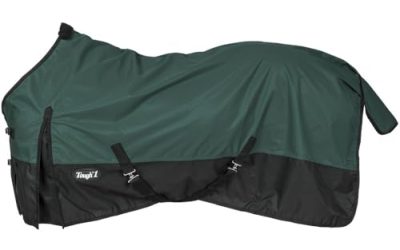
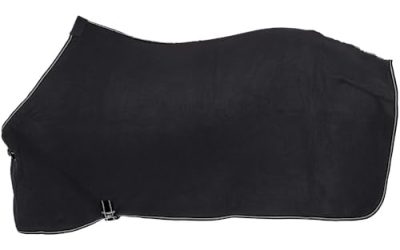
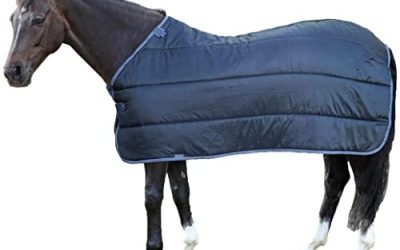
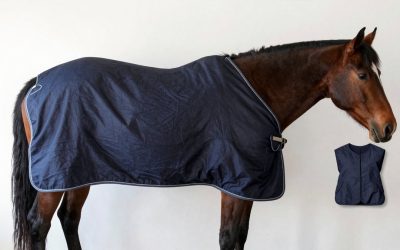
Blankets differ more than most owners expect. A fleece cooler, a nylon turnout sheet and a heavy quilted winter rug all react differently to water, soap and heat. Look inside for the care label and any notes about waterproof treatments, fill or straps. If the label is gone, treat it conservatively: cool water, mild cleaner, gentle handling and air drying.
Also look for damage. Tears, broken buckles and failing stitching are better fixed before washing, because agitation will make them worse. Set aside any blanket that smells strongly of mildew or is covered in heavy mold and ask a cleaner who handles equine gear how to treat it.
Washing Methods
Machine washing at home
A standard household machine can handle small items like coolers and liners, but large winter rugs often will not fit or can overload the drum and motor. If your blanket is bulky, consider a large-capacity machine or a laundromat that allows horse blankets, and ask about their policy first. Use a gentle cycle, cool water and a mild cleaner with no fabric softener. Run an extra rinse to clear soap from the fibers.
Hand washing in a tub or outdoors
For heavy rugs, many owners hang the blanket over a fence or lay it on a clean tarp, then use a soft brush and a bucket of mild solution. Work in sections, avoiding hard scrubbing near seams and straps. Hose the soap out until the water runs clear. This method is slower but gives you full control and avoids stressing the stitching.
Caring for waterproof and breathable fabric
Waterproof shells depend on a coating and a tightly woven fabric. Harsh detergents, bleach and high heat can damage both. Use a cleaner made for technical fabrics or a mild wash, and skip fabric softener, which can clog the pores. If water stops beading on the outer layer after washing, a re-waterproofing treatment may be needed. Follow the instructions on the treatment label.
Drying properly
Air drying is the safest choice for most blankets. Drape the blanket over a line or sturdy rack in a spot with good airflow and, if possible, out of direct harsh sun, which can fade fabric and weaken fibers. Flip it partway through so that fill and lining dry fully. A blanket that goes back on a horse while damp can cause skin problems and mildew.
What to Use and What to Avoid
| Blanket type | Washing approach | Watch out for |
|---|---|---|
| Fleece cooler or liner | Gentle machine cycle, cool water | Hair clogging the drain; static and shrinkage with heat |
| Nylon or poly turnout sheet | Gentle cycle or hand wash, mild cleaner | Damage to waterproof coating |
| Quilted or filled winter rug | Hand wash or large-capacity machine | Uneven drying and clumping fill |
| Wool or specialty fabric | Follow the label exactly | Shrinkage and felting |
Before You Start: Quick Checklist
- Read the care label and any manufacturer instructions.
- Shake out and brush off hair, dirt and dried mud.
- Fasten all buckles and straps so they do not snag.
- Pre-treat stains with a gentle cleaner and a soft brush.
- Choose a mild, fragrance-free cleaner with no softener.
- Plan where and how the blanket will dry for a full day or more.
Step-by-Step Routine
First, vacuum or brush off as much hair as you can. Hair in the wash clogs filters and sticks to wet fibers. Second, soak or pre-treat only the dirty areas rather than soaking the whole blanket for hours. Third, wash on a gentle setting or by hand using cool water. Fourth, rinse until no suds appear, since leftover soap can irritate your horse’s skin. Fifth, press out water without twisting the fill, then dry fully.
Once the blanket is dry, check seams, straps and hardware, and store it clean in a breathable bag or bin. Do not store a blanket that is still damp, even slightly.
Mistakes to Avoid
- Using hot water, bleach or fabric softener.
- Overloading a home machine with a bulky rug.
- Skipping the extra rinse.
- Putting a damp blanket on the horse or into storage.
- Ignoring a failing waterproof coating after washing.
Dealing With Stubborn Problems
Some messes need more than a standard wash. Dried manure, urine stains and sticky mud respond best to a pre-soak in cool water, followed by gentle brushing with a soft brush. Work from the outside of the stain toward the center so you do not spread it. Avoid scrubbing hard on waterproof fabric, which can wear down the coating.
Hair is the other common headache. Shake the blanket out well, then run a rubber curry or a damp rubber glove across the surface to gather loose hair before it hits the wash. A mesh laundry bag around small items such as straps and liners keeps them from tangling. If hair builds up in the drum, rinse it out afterward so the next load stays clean.
Odor can linger after the wash if soap is not fully removed or the blanket dried slowly. An extra rinse and a drying spot with plenty of airflow usually solve it. A blanket that still smells musty may have mildew in the lining, in which case repeat the wash and make sure it dries completely before storing it.
Timing and Seasonal Planning
The best time to wash is on a day with mild, dry weather and a good breeze, so the blanket can dry outdoors without delay. Plan big washes for the end of winter, when you are putting rugs away, and again in early fall before you need them. A rotation of two blankets per horse lets you swap one in while the other is being cleaned and dried.
Do not wait for the first cold snap to find out a blanket is still damp or smells stale. Washing early leaves time for repairs, re-waterproofing and sizing changes if your horse has gained or lost weight since last season.
Repairs and Storage After Washing
Washing is a good moment to inspect your gear. With the blanket clean and dry, lay it flat and check the seams, leg straps, surcingles and buckles. Replace worn elastic and frayed straps, and sew small tears before they grow. A blanket with a split seam will let in rain no matter how clean it is.
For storage, fold the blanket loosely or roll it, and keep it in a breathable bag or a lidded bin in a dry place away from rodents. Avoid plastic bags that trap moisture, and add a cedar block or similar deterrent if mice are a problem in your tack room. Label each blanket with the horse’s name and size so you can find the right one quickly when cold weather arrives.
If you are unsure whether a blanket is safe to wash, ask a retailer or a professional cleaner who handles horse gear. Some owners send heavy winter rugs out for cleaning and re-waterproofing, which is a good option when a home setup cannot handle the size.
Related guides
- Solar Electric Fence Chargers For Horse Pastures
- Saddle Pads For Horses With High Withers
- Fly Masks For Horses With Sensitive Eyes
Frequently Asked Questions
How often should I wash a horse blanket?
Many owners wash at the end of the season and after heavy soiling. Brushing and spot cleaning in between keeps it fresh.
Can I use regular laundry detergent?
A mild, fragrance-free option is safer than a strong one. Harsh detergents can damage coatings and irritate skin if not fully rinsed.
Can I put a blanket in the dryer?
Only if the label allows it, and then on low heat. Air drying is usually the better choice for waterproof or filled blankets.
How do I know the blanket is clean enough?
It should smell fresh, feel free of grit and rinse clear. If your horse has skin sensitivity, ask your vet about the best way to clean gear.
More from Amazon
Programs that pair well with the guide above. Offers and eligibility are set by Amazon and may change.
Set up recurring deliveries of everyday items on eligible products. Terms and savings are set by Amazon.
Explore Subscribe & SaveFree shipping on eligible items, Prime Video and more. Eligible new members can start with a free trial.
Start a Prime free trialAudiobooks and podcasts to listen to on the go. Eligible new members can start with a free trial.
Try Audible freeRead from a large library of eBooks and audiobooks on any device. Check Amazon for current plans.
Explore Kindle UnlimitedAs an Amazon Associate we earn from qualifying purchases.
Write Your Review
No reviews yet. Be the first to share your experience!