

Key takeaways
- 5,000 mm: suitable for light rain and short exposure, provided the fabric is not under pressure from leaning on wet surfaces.
- 10,000 mm: a useful target for regular riding and general yard work in moderate rain.
- 15,000–20,000 mm: better for prolonged heavy rain, wet weather riding, and garments that must cope with pressure from reins, straps, or a saddle.
Best Winter Jackets for Warmth and Weather
The best winter jackets for riding are insulated, windproof, rain-resistant, long enough to cover the lower back, and cut with enough room for a base layer without restricting your shoulders.
There is no single best winter jacket for every rider. A lightweight synthetic jacket works well for active schooling, while a longer, waterproof insulated coat is better for standing at the yard, handling horses in bad weather, or watching lessons. The right choice depends on how cold and wet your conditions are, how much you move, and whether you need room for layers.
Our top picks

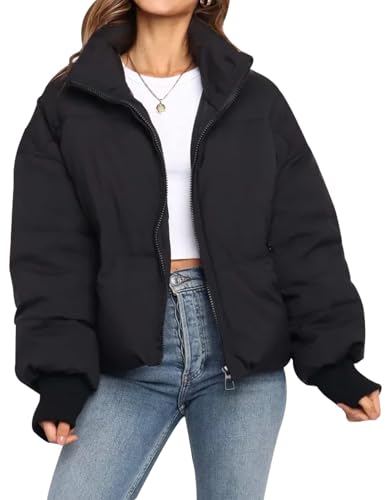


As an Amazon Associate we earn from qualifying purchases at no extra cost to you. Ratings are shown as listed on Amazon.
Quick comparison: which jacket suits your winter?
| Winter situation | Best jacket type | Look for | Typical market range |
|---|---|---|---|
| Cool, active schooling | Light synthetic insulated jacket | 60–100 g insulation, stretch panels, 5,000–10,000 mm waterproofing | $80–$180 |
| Cold and changeable weather | Insulated waterproof riding jacket | 100–150 g insulation, sealed seams, adjustable hood, two-way zip | $140–$300 |
| Standing outside below freezing | Long parka or stable coat | 150–250 g insulation, thigh coverage, windproof outer, storm cuffs | $180–$400 |
| Wet but physically demanding work | Waterproof shell over a thin insulated layer | 15,000–20,000 mm waterproofing, breathability of at least 10,000 g/m²/24h | $130–$350 for both layers |
| One jacket for varied use | Three-in-one or removable-liner coat | Separate waterproof shell, insulating liner, roomy armholes | $180–$450 |
Insulation: warmth is not just the fill weight
Synthetic insulation
Synthetic fills such as polyester fiber are usually the most practical choice for equestrian use. They retain some warmth when damp, dry relatively quickly, and tolerate repeated washing better than many natural fills. They are also less troublesome when a jacket is exposed to horse hair, mud, or wet tack.
For active riding, 60–100 g of synthetic insulation is often enough over a long-sleeve base layer. For grooming, mucking out, and short periods of riding in genuinely cold weather, 100–150 g offers a more useful balance. A stable coat designed for standing around may use 150–250 g, sometimes with extra insulation through the torso and less through the sleeves to preserve movement.
Down and down blends
Down offers excellent warmth for its weight and packs down easily, but moisture is its weakness. A down jacket can be a good mid-layer under a waterproof shell, particularly for cold, dry climates. It is less convenient as a single yard jacket if it will regularly encounter drizzle, wet fences, muddy grooming equipment, or frequent washing.
When comparing down, check fill power as well as fill weight. A higher fill-power number indicates loftier insulation, but it does not automatically mean a warmer jacket if the jacket contains very little down. For horse care, a well-designed synthetic coat is often the lower-maintenance purchase.
Waterproof ratings and what they mean in the yard
A water-resistant finish helps with light showers, but it is not the same as a waterproof membrane. Waterproof performance is commonly shown in millimetres of water pressure:
- 5,000 mm: suitable for light rain and short exposure, provided the fabric is not under pressure from leaning on wet surfaces.
- 10,000 mm: a useful target for regular riding and general yard work in moderate rain.
- 15,000–20,000 mm: better for prolonged heavy rain, wet weather riding, and garments that must cope with pressure from reins, straps, or a saddle.
Look beyond the headline rating. Fully taped seams, waterproof zips or storm flaps, adjustable cuffs, and a hood that stays secure in wind can matter more than a small difference in laboratory numbers. A coat with a 20,000 mm fabric but open seams can still let water in.
Breathability matters when you ride hard. A fabric rated around 10,000 g/m²/24h or higher is a sensible starting point for active use, although breathability figures are not perfectly comparable between brands. Underarm vents and a two-way front zip can prevent overheating more effectively than fabric specifications alone.
Warmth versus mobility in the saddle
The warmest coat is not necessarily the best riding coat. Bulky insulation can interfere with rein contact, shoulder rotation, and mounting. For riding, prioritize articulated sleeves, stretch fleece or softshell panels, a smooth lining, and a hem that does not bunch under the saddle.
A two-way zip is particularly useful. You can open the lower zip while mounted or seated in the saddle without exposing the chest to wind. A jacket with a drop tail can protect the lower back, but check that it does not sit on the saddle or catch when you mount.
For regular riding, choose a coat that feels comfortable with your arms extended forward, not only when standing upright. Raise both arms, reach across your body, and bend your elbows. If the shoulders pull or the cuffs ride above the wrists, the jacket is too restrictive or too short for riding layers.
Layering room and fit: a practical sizing check
Measure over the clothing you will actually wear. If your winter system is a thermal base layer, fleece, and lightweight vest, measure over all three rather than over a T-shirt. Many riders need approximately 5–8 cm of additional chest ease compared with a close-fitting autumn jacket.
- Base layer: moves moisture away from the skin.
- Insulating layer: fleece, wool, synthetic puffer, or thin down.
- Outer layer: blocks wind and rain.
Do not solve a tight jacket by sizing up excessively. A very loose coat allows warm air to escape at the collar and cuffs and may snag on tack. Instead, look for an equestrian cut with shaped sleeves, adjustable waist or hem toggles, and enough room across the upper back.
As a simple fit calculation, suppose your chest measurement over riding layers is 96 cm. A coat with 104 cm of finished chest circumference provides 8 cm of ease. That is usually more useful than choosing a coat with 112 cm of circumference, which may feel warm while standing but become loose and cumbersome during riding.
Head-to-head: one heavy coat or a layering system?
Choose one heavy coat if you mostly:
- Do chores at a slow pace or stand watching lessons.
- Work in consistently cold weather.
- Want thigh coverage and minimal outfit changes.
- Prefer the simplest option for daily yard use.
A long insulated coat gives dependable warmth and protects more of your body from wind. The disadvantages are bulk, slower drying, and the risk of overheating when you start riding or carrying feed.
Choose separate layers if you mostly:
- Move between riding, grooming, driving, and indoor spaces.
- Experience large temperature changes during the day.
- Need unrestricted shoulder movement.
- Already own a good fleece or lightweight insulated jacket.
A shell plus insulating layer is more adaptable and can be easier to dry. The trade-off is a higher combined cost and the need to manage two garments. Avoid layering two bulky, non-breathable pieces; a warm mid-layer under a breathable waterproof shell is usually more comfortable.
Durability details that matter around horses
The first failures are often not the insulation. Watch for abrasion at the elbows, cuffs, seat area, and where a jacket contacts grooming tools or stable doors. Reinforced fabric around the lower sleeves and a smooth, durable outer face can extend useful life.
Horse hair and dust can clog hook-and-loop fasteners, while mud can damage water-repellent finishes if it is left to dry into the fabric. After use, brush off loose dirt, empty the pockets, and hang the jacket where air can circulate. Do not store it compressed in a tack locker while damp.
Follow the care label rather than assuming more detergent means cleaner. Too much detergent can reduce water repellency. Avoid fabric softener on technical outerwear because it can coat fibers and impair moisture management. If rain begins to soak into the outer fabric instead of beading, a wash-in or spray-on reproofing treatment may restore performance, but it cannot repair a damaged membrane or open seam.
What to buy by budget
At around $80–$150, prioritize a well-fitting synthetic jacket with wind resistance, a decent hood, and at least moderate water resistance. You may need a separate rain shell for prolonged wet weather.
At $150–$300, expect better seam construction, more reliable waterproofing, articulated sleeves, ventilation, and stronger zips. This is the most useful range for a single everyday riding and yard jacket.
Above $300, pay for a specific advantage rather than branding alone: longer coverage, a genuinely waterproof shell, advanced breathability, durable fabric, or a versatile removable-liner design. Premium insulation is not worthwhile if the cut prevents you from riding comfortably.
Final buying decision
For the best all-round winter jacket, choose a synthetic insulated coat with 100–150 g insulation, a waterproof rating around 10,000–15,000 mm, taped seams, a two-way zip, adjustable cuffs, and enough room for one insulating layer. If you regularly stand outside below freezing, move up to a longer 150–250 g parka. If you ride energetically in changing weather, choose a breathable waterproof shell and a separate mid-layer instead of one excessively bulky coat.
Fit should decide between otherwise similar jackets: the right coat keeps your lower back covered, lets you reach forward freely, seals at the cuffs and neck, and leaves enough room for the layers you will actually wear.

Write Your Review
No reviews yet. Be the first to share your experience!