

Key takeaways
- When a horse starts pinning its ears at the girth, flinching at the brush, or going short through the back, riders reach for padding almost by reflex.
When a horse starts pinning its ears at the girth, flinching at the brush, or going short through the back, riders reach for padding almost by reflex. Gel pads are the most common answer because they promise cushioning and a way to level out a saddle that does not sit evenly. The keyword here, gel saddle pads for sore backs, carries a specific decision: you are not shopping for a decorative blanket, you are shopping for a pad that adds shock absorption and possibly a riser shim under a saddle that bridges or tips.
This guide is for riders who suspect a fit or comfort problem and want to compare gel options sensibly. One caution comes first: a pad is a tool, not a diagnosis. Soreness can come from saddle fit, rider balance, dental or hoof issues, or something else, so ask a vet or a qualified saddle fitter about the cause before spending money. The picks below are judged strictly by what each listing states, and most of them are positioned for English saddles, with a few suited to western or all-purpose use. Heading into the 2026 riding season, a clear checklist helps more than any marketing claim.
Quick Picks
Our top picks


As an Amazon Associate we earn from qualifying purchases at no extra cost to you.
| Product | Best for | Key spec from the title |
|---|---|---|
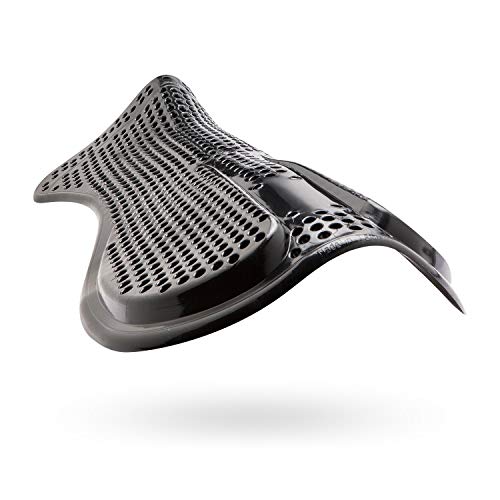
| Kavallerie Rear Riser Gel Saddle Pad | Saddles that need lift at the back | Gel riser, listed for bridging, swayed back, and high withers |
| Kavallerie Front Riser Gel Saddle Pad | Saddles that need lift at the front | Gel riser, English bareback pad for horses |
| Kavallerie 3D Air-Mesh Half Pad | Riders wanting airflow with gel padding | 3D air-mesh, impact protection, English saddle |
| Kavallerie Premium Memory Foam Gel Saddle Pad | Dressage, jumping, and long-distance riders | Double-layer shock absorption, breathable, non-slip |
| Weaver Equine Western Gel Saddle Pad | Western riders wanting mesh and gel | Mesh, shock absorbing gel, durable equine supplies |
| THREE ARCHERS Silicone Gel Saddle Pad | All-purpose riders using either saddle style | Silicone gel, non-slip, western or English |
How to Choose
Start with the saddle fit, not the pad
A gel pad cannot repair a saddle that is too narrow, too wide, or twisted. Before buying, check the gullet clearance at the withers (many fitters look for a couple of fingers of room when mounted), whether the panels touch evenly along the back, and whether the saddle rocks front to back. If the saddle bridges, a riser pad may help level it, but if the fit is far off, a fitter visit is the better first step.
Choose the riser position that matches the gap
Front, middle, and rear risers add thickness in different spots. A front riser lifts the saddle at the pommel end, while a rear riser lifts the cantle area. Standing behind the horse and watching how the saddle sits on a level surface shows which end is low. Buy the riser for the low spot; adding thickness in the wrong place can tip the saddle further out of balance.
Breathability, grip, and layering
Gel traps heat if the pad has no ventilation, so mesh or air-channel designs matter in warm weather and long rides. Look for a non-slip surface so the pad stays put under the saddle, and check how thick the pad is, because a thick shim may need a wider-gullet saddle or more tree clearance. Most gel pads are meant to sit under a regular saddle pad or cloth, so confirm that stacking will not leave the saddle perched too high.
What to ignore and where budget models cut corners
Ignore therapeutic wording on the box; no pad substitutes for professional advice. Budget gel can be thin, shift under the saddle, or lack a breathable layer. Size is the other pitfall: a half pad that is too short or too narrow for your saddle will bunch or slip. Check the listing for the stated pad shape and dimensions before ordering, and keep the receipt in case the fit does not work.
The 6 Best Options
Kavallerie Rear Riser Gel Saddle Pad
Aimed at English riders, this gel pad adds lift toward the back of the saddle, and the listing positions it for saddle bridging, a swayed back, and high withers. It suits a rider who has watched the saddle tip forward and wants a shim to level the seat.
- Strength: the rear-riser design targets a specific, common fit gap instead of adding thickness everywhere.
- Strength: gel construction is aimed at shock absorption under the cantle.
- Trade-off: it only helps if the low spot is truly at the back; used on the wrong horse, it can worsen the tilt.
Skip it if you have not had the saddle fit checked or if the saddle is already tipping backward; a fitter should confirm where the gap actually sits first, and the listing does not replace that advice.
Kavallerie Front Riser Gel Saddle Pad
The mirror image of the rear riser, this pad is listed as an English bareback-style gel pad with the same bridging and high-withers wording. It is meant for saddles that sit low in the front and ride downhill, a common complaint on horses with a prominent shoulder or a flatter back.
- Strength: lifts the pommel end, which can help a saddle that sits low and tilts forward.
- Strength: shares the same line as the other Kavallerie risers, so riders can mix positions if needed.
- Trade-off: extra height at the front can bring the saddle closer to the withers if the tree is already tight there.
Skip it if your saddle already clears the withers by only a small margin, or if you are unsure whether the saddle is low in front or simply too wide; get a second opinion before adding height.
Kavallerie 3D Air-Mesh Half Pad
This is a half pad combining 3D air-mesh with impact-protection gel, listed for English saddles and described as offering support and stability. Riders who run warm or ride in hot barns will like the airflow angle, since a mesh structure has more breathing room than solid gel. Riders who already use a fitted cloth on top can slide it under the saddle without reworking the rest of the setup.
- Strength: the air-mesh build is meant to let heat and moisture escape under the saddle.
- Strength: combines gel padding with a half-pad shape that can sit under a regular cloth.
- Trade-off: the listing narrows the size range, so confirm that it fits your horse before ordering.
Skip it if you ride a western saddle or need a thick riser shim; this is a cushioning and airflow pick, not a leveling tool, and riders chasing a precise correction at one end should look at the riser designs instead.
Kavallerie Premium Memory Foam Gel Saddle Pad
A double-layer pad that mixes memory foam and gel, listed for shock absorption, breathability, and a non-slip surface across dressage, jumping, training, and long-distance riding. It is the most discipline-flexible of the Kavallerie group and a sensible pick for riders who change disciplines. Trainers who school a horse in several styles through the week can leave one pad on the saddle and skip the swapping.
- Strength: double-layer construction is meant to spread impact across more surface.
- Strength: the non-slip, breathable stated features suit longer rides and varied work.
- Trade-off: thicker double-layer pads add height and can alter how the saddle sits, so check clearance.
Skip it if your saddle is already snug at the tree, or if you prefer a thin pad that leaves a close feel to the horse; a slimmer option will do more for you. Riders wanting a precise riser should also compare the front and rear shims before settling on a thicker all-round pad.
Weaver Equine Western Gel Saddle Pad
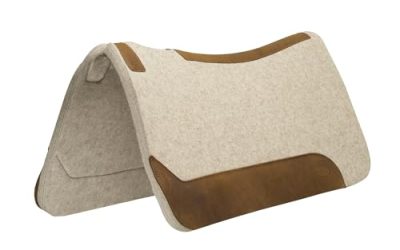
Weaver builds this pad with mesh and a shock-absorbing gel layer, and the listing frames it for stable riding and spine protection with durable materials. It brings a recognizable western-tack name to the gel category, which makes it easier to evaluate if you already own Weaver gear. The mesh layer is the headline feature for trail riders in warm climates who want cushioning without a solid foam feel.
- Strength: mesh plus gel gives a ventilation angle on top of cushioning.
- Strength: it comes from a long-established tack maker, so sizing questions are easy to research.
- Trade-off: the listing is short on stated dimensions in the visible title, so check the listing for size and thickness.
Skip it if you ride an English saddle that needs a shaped riser, since this pad is built around a different style of tack, or if you need a thin, close-contact feel for competition.
THREE ARCHERS Silicone Gel Saddle Pad
A silicone gel pad described as non-slip and shock absorbing, and labeled for all-purpose western or English riding. It appeals to riders who own both saddle styles, share a pad across horses, or want one simple piece instead of a collection of risers. It is a practical pick for lesson barns or households where several riders rotate between horses and tack.
- Strength: the stated non-slip surface helps it stay in position under the saddle.
- Strength: dual-style labeling gives it more flexibility than discipline-specific pads.
- Trade-off: a general-purpose pad will not target a specific bridging problem the way a front or rear riser can.
Skip it if you already know exactly which end of the saddle needs lift; a riser is a more precise tool for that job, or if you want a discipline-specific design with extra shaping built in.
Which One Fits Your Situation
Saddle tips forward and sits low in front
Look at the Kavallerie Front Riser Gel Saddle Pad, then confirm with a fitter that the tree is not too narrow before relying on it.
Saddle sits back and the cantle feels low
The Kavallerie Rear Riser Gel Saddle Pad is built for that situation, with extra lift toward the back of the saddle.
Hot climate or long summer rides
The Kavallerie 3D Air-Mesh Half Pad gives the best airflow angle, and the Weaver Equine Western Gel Saddle Pad adds mesh for western riders.
Mixed disciplines or a shared pad
The THREE ARCHERS Silicone Gel Saddle Pad works across saddle styles, while the Kavallerie Premium Memory Foam Gel Saddle Pad covers dressage, jumping, and endurance-style work.
Common Mistakes
- Treating a gel pad as a cure for a saddle that does not fit; the fit problem remains underneath.
- Buying a riser for the wrong end of the saddle and making the tilt worse.
- Stacking several thick pads until the saddle perches high and rocks.
- Skipping a vet or saddle-fitter check when a horse shows ongoing discomfort.
- Ordering without checking the stated pad dimensions against the saddle’s panel length.
Related guides
- Solar Electric Fence Chargers For Horse Pastures
- Fly Masks For Horses With Sensitive Eyes
- Saddle Pads For Horses With High Withers
Frequently Asked Questions
Can a gel pad fix a poorly fitting saddle?
A gel pad can add cushioning or a small amount of lift, but it does not change the shape of the saddle tree. If the saddle is the wrong width or twists on the back, a fitter should assess it. Treat the pad as a supplement, not a replacement.
How thick should a riser pad be?
Thickness depends on the gap between the saddle and the back, so the listing’s stated dimensions matter more than a general rule. Start with the thinnest option that levels the saddle, and recheck clearance at the withers after adding it.
Do gel pads work for western saddles?
Some do. Western riders should look for pads that state western use, such as the mesh-and-gel Weaver pad or the all-purpose silicone gel option, and confirm that the shape fits the saddle skirt.
When should a rider see a professional about a sore horse?
If a horse shows ongoing reluctance, flinching, or behavior changes, a vet should examine it and a qualified fitter should check the saddle. A pad is not a diagnosis, and equipment changes work best alongside professional guidance.
More from Amazon
Programs that pair well with the guide above. Offers and eligibility are set by Amazon and may change.
Set up recurring deliveries of everyday items on eligible products. Terms and savings are set by Amazon.
Explore Subscribe & SaveFree shipping on eligible items, Prime Video and more. Eligible new members can start with a free trial.
Start a Prime free trialAudiobooks and podcasts to listen to on the go. Eligible new members can start with a free trial.
Try Audible freeRead from a large library of eBooks and audiobooks on any device. Check Amazon for current plans.
Explore Kindle UnlimitedAs an Amazon Associate we earn from qualifying purchases.


Write Your Review
No reviews yet. Be the first to share your experience!