

Key takeaways
- For one or two people: Choose a small dish that holds the usual meal without leaving a large empty area. A compact open baker is sensible for vegetables or chicken pieces; add a lid only if you often make covered dishes.
- For a whole chicken or a small joint: A medium covered baker is the versatile choice. It can retain moisture during covered cooking, while the lid can be removed near the end if the recipe calls for browning. Confirm the bird or joint fits with the lid fully seated.
- For a large roast or batch cooking: A large roaster gives more room, but measure your oven rack, oven cavity, sink, and storage shelf first. A full ceramic dish can be awkward and heavy to move safely.
- For crisp edges and vegetables: Favor a wide, open dish. Shallow sides expose more food to hot air and make it easier to spread ingredients in a single layer. A deep covered baker is better at retaining moisture than at producing crisp surfaces.
- For frequent weeknight use: Prioritize a manageable weight, comfortable handles, and a shape that fits your dishwasher or sink. The largest baker is not automatically the most useful if it is difficult to wash or store.
Best Ceramic Bakers for Oven Roasting: The Right Pick by Roast Size
The best ceramic baker for oven roasting is a heavy, oven-rated stoneware or porcelain dish sized to leave room around the food; choose a lidded baker for covered braises and poultry, or an open roasting dish for crisp skin and browned vegetables. For a reliable all-rounder, look for a roughly 3–4-quart covered baker with sturdy handles, a lid that sits securely, and a stated oven limit that exceeds your cooking temperature.
Compare the main options
These are useful size and weight ranges for shopping, not specifications for a particular model: dimensions and capacities vary by maker. Check the manufacturer’s measurements, oven limit, and care instructions before buying.
Our top picks

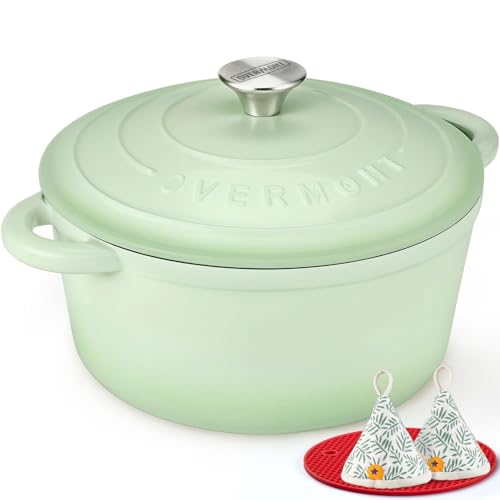

As an Amazon Associate we earn from qualifying purchases at no extra cost to you. Ratings are shown as listed on Amazon.
| Type | Typical capacity | Approx. empty weight | Best for | Main trade-off |
|---|---|---|---|---|
| Small covered ceramic baker | 1.5–2.5 qt | 3–5 lb | Two servings, small sides, compact ovens | Limited space for large cuts or generous portions |
| Medium covered baker | 3–4 qt | 5–8 lb | Small chicken, pot roast, covered vegetables | Can be bulky to store and lift when full |
| Large covered roaster | 5–7 qt | 7–12 lb | Family-size roasts and moist, slow cooking | Heavy; may not fit smaller ovens or sinks |
| Open ceramic roasting dish | 3–5 qt | 4–9 lb | Roast vegetables, chicken pieces, browned casseroles | No lid for trapping moisture; exposed food can dry out |
Capacity alone does not tell you whether a dish will fit a roast. Compare the usable interior length and width with the food, then leave room for airflow and for lifting it out. A dish packed edge to edge is harder to brown evenly and more likely to spill.
Choose by the roast you make most often
- For one or two people: Choose a small dish that holds the usual meal without leaving a large empty area. A compact open baker is sensible for vegetables or chicken pieces; add a lid only if you often make covered dishes.
- For a whole chicken or a small joint: A medium covered baker is the versatile choice. It can retain moisture during covered cooking, while the lid can be removed near the end if the recipe calls for browning. Confirm the bird or joint fits with the lid fully seated.
- For a large roast or batch cooking: A large roaster gives more room, but measure your oven rack, oven cavity, sink, and storage shelf first. A full ceramic dish can be awkward and heavy to move safely.
- For crisp edges and vegetables: Favor a wide, open dish. Shallow sides expose more food to hot air and make it easier to spread ingredients in a single layer. A deep covered baker is better at retaining moisture than at producing crisp surfaces.
- For frequent weeknight use: Prioritize a manageable weight, comfortable handles, and a shape that fits your dishwasher or sink. The largest baker is not automatically the most useful if it is difficult to wash or store.
What to inspect before buying
Ceramic thickness and construction
Thick ceramic holds heat well and can help food stay warm at the table, but it takes longer to heat and adds substantial weight. Thin or lightweight dishes are easier to handle, though they may be less forgiving of abrupt temperature changes. Look for an even glaze, a stable base, and no visible cracks, chips, or rough defects. Ceramic is not automatically broiler-safe or suitable for stovetop use; use it only as the maker specifies.
Capacity and usable shape
For roasting, a broad base is often more useful than extra depth: it gives vegetables and meat more contact with hot air and leaves room for browning. Depth matters for liquid-rich braises and covered cooking. Treat stated capacity as a guide, not a fill line—leave headroom to prevent bubbling juices from spilling into the oven.
Heat resistance and temperature changes
Check the stated maximum oven temperature and whether the dish can go from refrigerator to oven. Many ceramic pieces are not designed for sudden temperature shifts, which can cause thermal shock and cracking. Unless the manufacturer explicitly allows it, do not put a cold dish into a hot oven, place a hot dish on a cold or wet surface, or use it under a broiler. Preheating the oven with the dish inside is also only appropriate when the care instructions permit it.
Lid fit, handles, and lifting
A well-seated lid helps contain steam during braising, but it should be straightforward to lift without scraping the rim. A lid does not necessarily seal airtight; that is usually fine for oven cooking. Check that the lid’s knob is oven-safe at your intended temperature. Wide, integrated handles are easier to grip with oven mitts than small tabs, but account for their width when checking oven clearance. Ceramic handles heat up along with the dish, so always use dry, heat-resistant mitts.
Ownership costs and care
Basic unbranded ceramic bakers are often in the lower general market range, while larger, branded, or decorative pieces can cost more. Price is less informative than the care label, capacity, weight, and replacement availability. A dish used weekly may justify spending more for a shape that fits your oven and is easy to handle; occasional cooks may get better value from a simpler open baker.
For a rough ownership check, divide the purchase price by expected uses. For example, a baker costing $60 and used once a week for three years works out to about $0.38 per use ($60 ÷ 156 uses), before considering cleaning or storage. That calculation is useful only if the dish is convenient enough that you will actually use it.
- Let the dish cool on a dry trivet or heat-safe surface; avoid sudden temperature changes.
- Soak stuck-on food in warm water and use a non-abrasive sponge. Abrasive pads can dull or damage some glazes.
- Confirm dishwasher safety rather than assuming every glazed ceramic dish is dishwasher-safe.
- Do not use a chipped or cracked baker for roasting: damage can worsen under heat, and sharp edges can be hazardous.
- Store the lid and dish so they cannot knock against other cookware. The glaze and rim are common places for chips to develop.
Quick decision matrix
| Your situation | Best fit | Why |
|---|---|---|
| Limited cupboard or oven space | Small, open baker | Lower weight and easier storage; suits sides and smaller portions |
| New to roasting; wants one versatile dish | Medium covered baker | Useful for moist covered recipes, with the option to uncover for finishing |
| Roasts vegetables or chicken pieces often | Wide, shallow open baker | Promotes spread-out cooking and easier browning |
| Feeds a crowd or cooks large joints | Large covered roaster | Provides more capacity, provided it fits the oven and is safe to lift |
| Prioritizes easy handling and washing | Light-to-medium-weight dish with broad handles | More practical for frequent use than a very thick, oversized baker |
Bottom line
For most homes, a medium covered ceramic baker offers the widest range of uses, as long as its weight and dimensions are manageable. Pick a shallow open dish instead if browning is your priority, or a larger lidded roaster if you regularly cook family-size portions. Before ordering, verify the interior dimensions, empty weight, oven-temperature limit, lid-knob rating, and cleaning instructions—the details that determine whether the baker suits your actual roasts.

Write Your Review
No reviews yet. Be the first to share your experience!