

Key takeaways
- Ask the seller about a trial period or return policy before buying, and put a saddle pad on the horse during the trial.
- Ride in it on flat ground and over a small fence if jumping is part of your plan, and note whether your leg stays under you.
- Look at the horse’s back after the ride for uneven sweat marks or sensitivity.
- Have a trainer watch from the ground to see if the saddle sits level and does not slip.
- Try a gullet change on a synthetic model so you know how it works before you need it.
For most riders who want one adjustable, easy-care all-purpose saddle, the Wintec 500 is the usual starting point, the Thorowgood T4 suits riders who need a specific shape for a broad, round-backed or high-withered horse, and a traditional leather saddle from a maker such as County or Stübben suits riders who want a lasting investment and are prepared for a professional fitting. Saddle fit for the horse always comes first, and no single model suits every back.
Our top picks


As an Amazon Associate we earn from qualifying purchases at no extra cost to you.
At a Glance: All-Purpose Saddles Compared
| Saddle | Best for | Stated or reported points | Limits |
|---|---|---|---|
| Wintec 500 All Purpose | Riders wanting an adjustable synthetic saddle for schooling, trail and low jumps | The maker lists the EASY-CHANGE gullet and riser system, CAIR or wool-flocked panels, an Elastiflex tree, Flexibloc thigh support and a synthetic cover that can be hosed clean; retailers list seats in about 16.5 to 18 inches and weight around 6 kg | Reviewers differ on its suitability for serious jumping; a professional fitter should confirm the gullet |
| Wintec 500 with HART | Riders wanting extra shock absorption | Includes HART panel technology per the maker’s listing | Reviewers note it is heavier than expected |
| Thorowgood T4 (Compact GP, Broadback, Hi-Wither, Cob) | Horses with specific back shapes | Retailers describe synthetic construction, wool flocking, adjustable gullet systems, adjustable knee and calf blocks and English manufacture | Variants differ by shape; choose the right one with a fitter |
| Collegiate Convertible (mostly used) | Buyers seeking used saddles with adjustable gullets | Used listings describe wool flocking, an adjustable tree and a straighter all-purpose flap | Sold mostly used; condition varies |
| County or Stübben leather all-purpose | Riders investing in a traditional leather saddle | Traditional leather construction, commonly fitted by professionals | Premium tier; availability and models vary |
Details come from retailer listings and outlets such as Dover Saddlery, Cheshire Horse, Green Hawk, Horse Tack Review and roundup sites. Several roundup lists are affiliate-style, and rider opinions on Horse Tack Review include older posts. Models and gullet options change, so confirm the exact version with the maker or a qualified fitter before purchase.
What an All-Purpose Saddle Does
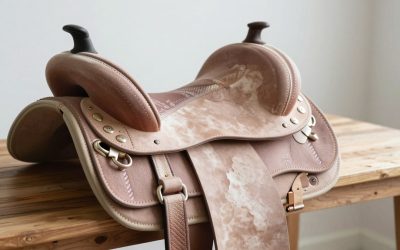
An all-purpose, or general-purpose, saddle is designed to let a rider flat-school, hack out and jump small fences in one seat. The flap is cut moderately forward, the seat is medium depth and the knee roll gives some support without locking the leg. That versatility is a compromise: riders who compete seriously in one discipline usually move to a dressage, jumping or eventing saddle.
Fit Comes First
Tree width and gullet
The tree shapes how the saddle sits on the horse’s back. Wintec’s EASY-CHANGE system allows the gullet width to be altered by swapping plates; the saddle ships with a medium gullet and other sizes are sold separately. Thorowgood offers different gullet systems depending on the model. Adjustable systems help when a horse changes shape with season or fitness, though a saddle still needs to match the horse’s spine and shoulder.
Panel and flocking
Wool-flocked panels can be reshaped by a qualified saddle fitter, while foam or air-cushion panels like CAIR are lighter and low maintenance but cannot be reflocked in the same way.
Withers and back shape
High-withered horses often need a hi-wither variant, round-backed or cob types may need a broadback, and flat-backed horses a flatter profile. The Thorowgood T4 line has versions aimed at each. Ask a fitter to evaluate your horse standing and moving.
Rider seat size
Seat sizes are measured in inches. Most adults sit in sizes from about 16.5 to 18 inches, depending on thigh length and hip width. A saddle that is too small pushes the rider forward, and one too large lets them slide back.
Reading Reviews With Care
Saddle reviews are unusually unreliable because every horse and rider is different. A saddle that one owner calls ideal can pinch another horse, so a glowing review is evidence about that pairing and not a promise. Horse Tack Review, for example, includes rider comments spanning many years, with some calling the Wintec 500 a great saddle for schooling, pleasure riding or trail and others using it more widely, and one rider preferring a Wintec Sport to friends’ traditional leather saddles. Those are personal reports, not controlled comparisons.
Treat the 2026 roundups the same way. Some name the Wintec 500 with HART their editor’s choice, listing easy gullet changes, knee blocks and washability as pros, and a weight near 41 pounds and a fiddly first gullet change as cons. The weight figure differs from retailer listings that give the base Wintec 500 as around 6 kg, which may reflect the HART version, packaging or rounding, so rely on the maker’s own specification for your model.
Trying a Saddle Before You Commit
- Ask the seller about a trial period or return policy before buying, and put a saddle pad on the horse during the trial.
- Ride in it on flat ground and over a small fence if jumping is part of your plan, and note whether your leg stays under you.
- Look at the horse’s back after the ride for uneven sweat marks or sensitivity.
- Have a trainer watch from the ground to see if the saddle sits level and does not slip.
- Try a gullet change on a synthetic model so you know how it works before you need it.
Spending time on this stage costs far less than buying twice. Even adjustable systems have limits: a gullet change can accommodate seasonal changes but not a horse whose shape is very different from what the tree was built for.
Budget Tiers
Budget
Used synthetic saddles, such as pre-owned Wintecs or Collegiates, represent the lower tier. They work for schooling and trail riding, though condition and fit history should be examined. Used saddles may have flocking that has settled, so budget for a fitter’s check.
Mid-range
New synthetic saddles such as the Wintec 500 and Thorowgood T4 sit here. They are lighter, easy to clean and often adjustable, making them a sensible choice for riders with one horse or those moving between horses.
Premium
Leather saddles from established makers offer long service, refined balance and the ability to be reflocked and repaired. They need more care but retain value for riders who maintain them.
Care and Safety Notes
- Fitting: Have a qualified saddle fitter assess the saddle on your horse. A poorly fitting saddle can cause soreness or behavior changes.
- Re-check regularly: Horses change shape with fitness and age; have fit reviewed at least once a year or when behavior changes.
- Girth and billets: Inspect stitching and billets before each ride; replace worn parts.
- Cleaning: Synthetics can be washed with soap and water, as the maker of the Wintec 500 states. Leather needs regular cleaning and conditioning.
- Storage: Keep saddles dry and supported on a rack away from direct heat.
- Vet advice: If your horse shows back pain, white hairs or sore spots, speak to a vet.
Pick X If… Decision Table
| Pick this | If you | Because |
|---|---|---|
| Wintec 500 | Want an adjustable, easy-care saddle for mixed riding | Gullet system and washable cover |
| Thorowgood T4 (right variant) | Have a horse with a distinct back shape | Variants for hi-wither, broadback and cob |
| Used Collegiate Convertible | Want a low-cost adjustable saddle | Easy-change gullet in used listings |
| Leather County or Stübben | Plan to ride for years and want a refined saddle | Traditional construction, reflockable |
| A discipline-specific saddle | Compete seriously in one sport | Better balance for that discipline |
Alternatives
Jumping or close-contact saddle
If most of your riding is over fences, a close-contact saddle puts you in a forward position that an all-purpose seat does not.
Dressage saddle
Flatwork-only riders may prefer a dressage saddle’s longer, straighter flap and deeper seat.
Treeless saddles
Treeless designs are marketed for flexibility and some trail riders like them, but fit and weight distribution still matter and a professional should advise.
Frequently Asked Questions
Is the Wintec 500 good enough for jumping?
Reviewers disagree. Some riders use it for low jumps and trail, while others say it is better for schooling and hacking than serious jumping. Check what the maker states for your intended use and discuss it with your trainer.
How do I know the saddle fits my horse?
A qualified saddle fitter should check clearance over the withers, panel contact along the back and balance with a rider. Visible signs such as dry spots or uneven sweat patterns can hint at problems but do not replace a fitting.
Are synthetic saddles worse than leather?
Not necessarily. Synthetics are lighter, cheaper and easier to clean, while leather generally lasts longer and can be repaired and reflocked. The better choice depends on use and budget.
What seat size should I buy?
Most adults ride in seats between about 16.5 and 18 inches, depending on build. Sit in the saddle and check for a hand width between your seat and the cantle, and ask a fitter to confirm.
Can I buy a used saddle?
Yes, and many riders do. Look for sound trees, intact stitching and even flocking, and budget for a fitter to assess it on your horse.
How often should the saddle be checked?
Once a year is a common guideline, and more often if your horse changes shape or you see signs of discomfort. Your vet can advise if you suspect pain.



Write Your Review
No reviews yet. Be the first to share your experience!