

Key takeaways
- Total depth to calculate = water depth (12 ft) + bow height (3 ft) + tide rise (2 ft) = 17 ft
- Rode needed = 17 ft x 7 = 119 ft
- If you have 20 ft of 1/4 inch chain + nylon rope, you still need to let out 119 ft total. With all-chain rode, you could often hold at 5:1 (85 ft) because chain catenary keeps pull horizontal, but in 25+ knots the catenary straightens and scope matters more than chain weight.
- Result: For that spot, a 25 lb Mantus M1 or 22 lb Rocna Vulcan with at least 20 ft of chain and 100 ft of 1/2 inch 8-plait nylon will give you secure holding; a 15 lb anchor at only 50 ft of rope will not, regardless of design.
The best boat anchors for secure holding power are the Mantus M1, Rocna Vulcan, Lewmar Delta, Fortress FX series, and Mantus / Lewmar Bruce-style Claw, with the right pick depending on your boat length, bottom type, and whether you need maximum holding in soft mud versus fast resetting in current and wind shifts.
Our top picks


As an Amazon Associate we earn from qualifying purchases at no extra cost to you. Ratings are shown as listed on Amazon.
How Holding Power Actually Works
Holding power is not just anchor weight. It is the relationship between fluke area, shank angle, tip weight, and how the anchor sets and buries under load. A 15 lb modern scoop anchor can hold more than a 25 lb traditional navy-style anchor in the same sand because the scoop design drives the fluke deeper as pull increases. Scope – the ratio of rode deployed to water depth – multiplies this effect. At 3:1 scope, much of the pull is upward and can break the anchor out; at 7:1, the pull is nearly horizontal and maximizes burial.
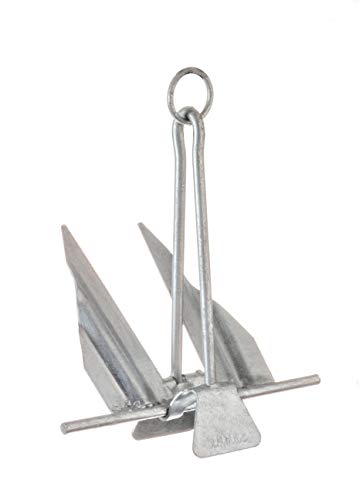
For most recreational boats, holding strength trade-offs break down like this: high-holding scoop and spade anchors (Rocna, Mantus, Vulcan, Ultra) bury deepest and reset best but weigh more for their size and need a bow roller that fits their roll bar or shank. Lightweight fluke anchors (Fortress, Danforth) have the highest holding-per-pound in mud and sand but can struggle to reset after a 180-degree wind shift and may foul on grass or rock. Plow and Claw anchors (Delta, Bruce) set reliably across mixed bottoms and stow easily but give up some peak holding in very soft mud compared to a large fluke.
Anchor Styles Compared With Real Numbers
Use this comparison to match style to the bottoms you anchor in most often, not just what came with the boat.
| Anchor Style | Example Models | Typical Weight Range | Best Bottom Types | Holding Power Per Pound* | Reset on Wind/Current Shift | Material |
|---|---|---|---|---|---|---|
| Scoop / Roll-Bar (Concave) | Rocna Original, Mantus M1 | 10 – 125 lb | Sand, mud, clay | 40-55x anchor weight in firm sand | Excellent – self-rights and re-buries | Galvanized steel, optional stainless |
| Spade / Scoop No Roll-Bar | Rocna Vulcan, Mantus M2, Ultra Marine | 9 – 80 lb | Sand, mud, clay, light grass | 38-52x in firm sand | Excellent – low profile resets quickly | Galvanized or stainless steel |
| Plow | Lewmar Delta, Manson Plough | 10 – 88 lb | Sand, mud, gravel, mixed | 25-35x in firm sand | Good | Galvanized steel |
| Lightweight Fluke | Fortress FX-7 to FX-37, Danforth Standard | 4 – 21 lb (aluminum) / 5 – 40 lb (steel) | Mud, sand, soft silt | 60-90x in soft mud (when fully buried) | Poor to fair – can stay on side after breakout | Anodized aluminum (Fortress) or galvanized steel |
| Claw / Bruce-Style | Lewmar Claw, Mantus Claw | 11 – 110 lb | Sand, mud, clay, rock | 20-30x in firm sand | Good – three claws help re-engagement | Galvanized steel |
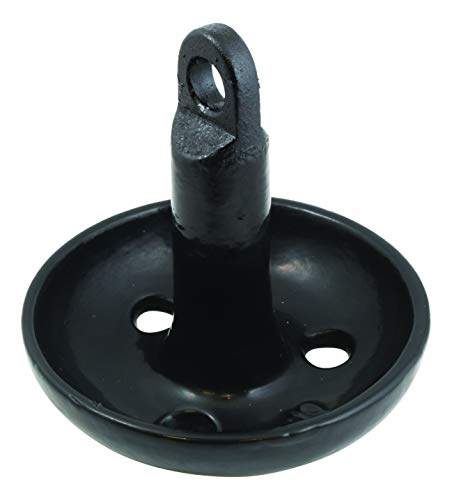
| Mushroom / River | Generic mushroom 8-25 lb | 8 – 50 lb | Soft silt, weed for small boats | 2-5x – relies on weight and suction | N/A – no setting | Galvanized iron or coated steel |
* Holding power per pound based on manufacturer and independent test data in straight-line pull in firm sand or soft mud with 5:1 scope and all-chain rode. Real-world holding varies with scope, chain weight, and bottom density.
Matching Anchor Weight to Boat Size
The best boat anchors are sized for wind speed and displacement, not just length. Manufacturers rate anchors for 30-knot winds; if you anchor overnight or in exposed water, size up one step.
| Boat Length & Displacement | Day Anchoring, Calm Conditions | Overnight / 30-Knot Wind | Recommended Scoop/Plow Weight | Recommended Fortress (Aluminum) Equivalent |
|---|---|---|---|---|
| 18-22 ft / up to 3,000 lb | 8-10 lb | 13-15 lb | 10 lb Rocna/Vulcan/Mantus or 14 lb Delta | FX-7 (4 lb) |
| 23-27 ft / 3,000-6,000 lb | 13-15 lb | 20-25 lb | 15-20 lb Mantus M1 / 22 lb Vulcan | FX-11 (7 lb) |
| 28-32 ft / 6,000-10,000 lb | 20-25 lb | 33-45 lb | 25-35 lb Rocna / 35 lb Mantus | FX-16 (10 lb) |
| 33-38 ft / 10,000-16,000 lb | 33-35 lb | 45-55 lb | 44 lb Rocna Vulcan / 45 lb Mantus M1 | FX-23 (15 lb) |
| 39-45 ft / 16,000-25,000 lb | 45 lb | 65-80 lb | 55-65 lb Rocna / 65 lb Mantus | FX-37 (21 lb) |
If your bow roller or windlass has a weight limit, an aluminum Fortress can give you overnight holding at a much lower bow weight, which is why many cruisers carry one as a second or stern anchor. For a primary overnight anchor on a boat that sleeps aboard, a steel scoop anchor sized for 30 knots is the most secure single choice.
Decision Matrix: Pick by Your Situation
Find the row that describes how and where you anchor most often.
| Your Situation | Best Primary Anchor | Why | Second Anchor to Consider |
|---|---|---|---|
| Small bay boat, sand bars, frequent short stops | Fortress FX-7 or Danforth 8-13 lb + 6 ft chain | Light to handle, fast set in sand/mud, high holding per pound for its weight | Small 11 lb Claw for rocky areas |
| Center console fishing reefs, rock and grass | Lewmar Delta 14-22 lb or Lewmar Claw | Plow/Claw geometry does not foul as easily on rock and resets in current shifts when you swing over structure | Fortress FX-11 for soft mud estuaries |
| Weekend cruiser, overnight on the hook, mixed bottoms | Rocna Vulcan 15-33 lb or Mantus M1 25-35 lb | Consistent set in sand/mud/clay/gravel and reliable 180-degree reset if wind shifts at 2 a.m. | Fortress FX-16 as lightweight spare/stern anchor |
| Large sailboat or trawler, extended anchoring | Rocna Original 33-55 lb or Mantus M1 45-65 lb with all-chain rode | Maximum buried holding and self-launching on a bow roller; performs best at long scope in soft mud | Fortress FX-23 or FX-37 for mud-specific holding |
| Tight storage, no bow roller, kayak/jon boat | Fortress FX-7 or 8 lb mushroom/river anchor | Fits in a locker, aluminum fluke disassembles; mushroom for soft silt where setting is less important than weight | Small grapnel for rock/jetty use |
Worked Calculation: Scope and Rode Length
An oversized anchor on short scope will still drag. Calculate rode needed before you buy chain.
Example: You anchor a 30 ft cruiser in 12 ft of water, bow cleat is 3 ft above water, tide will rise 2 ft overnight. You want 7:1 scope for overnight security.
- Total depth to calculate = water depth (12 ft) + bow height (3 ft) + tide rise (2 ft) = 17 ft
- Rode needed = 17 ft x 7 = 119 ft
- If you have 20 ft of 1/4 inch chain + nylon rope, you still need to let out 119 ft total. With all-chain rode, you could often hold at 5:1 (85 ft) because chain catenary keeps pull horizontal, but in 25+ knots the catenary straightens and scope matters more than chain weight.
- Result: For that spot, a 25 lb Mantus M1 or 22 lb Rocna Vulcan with at least 20 ft of chain and 100 ft of 1/2 inch 8-plait nylon will give you secure holding; a 15 lb anchor at only 50 ft of rope will not, regardless of design.
For day stops in calm water, 5:1 is generally acceptable. For overnight, gusty, or poor holding (soft mud, grass), use 7:1 or more if swing room allows.
Durability and Ownership Realities
What wears out first is rarely the anchor itself, but the system around it.
What to Expect Over Time
- Galvanizing: Galvanized steel anchors lose zinc first on the tip, roll bar, and shank edges. Light surface rust after year two is normal if you anchor on sand; heavy flaking means re-galvanizing is due. Stainless steel (Ultra, stainless Vulcan/Mantus) avoids rust but costs roughly 2-3x more and can still crevice-corrode if stored wet with salt in a locker.
- Fortress aluminum flukes: The anodized coating resists corrosion well, but the adjustable shank bolts and mud palms will loosen with vibration. Check torque each season and rinse mud from the fluke slots; packed mud prevents the flukes from pivoting to the correct 32-degree (sand) or 45-degree (mud) angle.
- Shank and swivel: The shank hole and any swivel or shackle elongate before the fluke bends. Replace a galvanized shackle that shows more than 10% wear or deformation, and use a rated anchor swivel only if your windlass requires it – many add a failure point without improving setting.
- Rode: Nylon three-strand stiffens and loses shock absorption after 3-5 seasons of UV and salt. 8-plait nylon resists hockling better. Chain should be re-galvanized or replaced when links lose 10% of diameter, especially at the last 20 ft near the anchor where abrasion is highest.
Common Mistakes That Cost Holding Power
- Using too little chain. Even 6-10 ft of 1/4 inch chain on a small boat makes setting more reliable than rope-to-anchor.
- Not backing down. After dropping, reverse slowly at idle to set, then increase to one-third throttle for 30 seconds to confirm it is buried. If the boat keeps moving, reset – do not just pay out more rope.
- Storing a roll-bar anchor on a narrow roller that jams. If the Rocna or Mantus M1 does not launch cleanly, add a roller with side cheeks or switch to a Vulcan/M2 without a roll bar.
- Mixing aluminum and stainless hardware without isolation, which accelerates galvanic corrosion. Use a galvanized shackle with a galvanized anchor and chain.
Care and Maintenance Setup
Rinse the anchor and 10 ft of chain with fresh water after each trip, especially Fortress and Danforth types where sand locks the fluke pivot. Once a month, dump chain on the dock, check for twisted rope, and end-for-end the rope rode to spread UV exposure. At haul-out, wire-brush surface rust, cold-galvanize spray small spots, and replace cotter pins or seizing wire on the shackle. Store Fortress-type anchors disassembled in their bag to protect the fluke edges that do the initial bite.
Final Recommendation by Water Type
For all-around secure holding on boats from 20 to 40 ft, a steel scoop anchor like the Rocna Vulcan or Mantus M1 sized one step above the chart for your length is the most reliable primary choice. Pair it with 20-50 ft of chain and nylon rode and anchor at 7:1 overnight. Add a Fortress FX-series anchor as a second anchor if you frequent soft mud or need a light stern anchor – it gives you the highest holding per pound when you need to set quickly in silt but should not be your only anchor if you expect wind shifts over grass or rock.

Write Your Review
No reviews yet. Be the first to share your experience!