

Key takeaways
- Best Heat Diffusers for Stovetop Cooking The best heat diffuser for stovetop cooking is a thick, flat stainless-steel or cast-iron plate about 8 to 9 inches in diameter for gas and electric stoves, while induction and glass cooktops require extra…
Best Heat Diffusers for Stovetop Cooking
The best heat diffuser for stovetop cooking is a thick, flat stainless-steel or cast-iron plate about 8 to 9 inches in diameter for gas and electric stoves, while induction and glass cooktops require extra care because compatibility depends on the diffuser’s base and the manufacturer’s instructions.
A diffuser sits between the burner and cookware to spread heat over a wider area, soften hot spots, and reduce the intensity of direct flame or electric-coil heating. It can be useful for simmering sauces, melting chocolate, cooking delicate custards, and using small pots on oversized burners. It cannot make incompatible cookware work safely on every type of hob, however, and an unsuitable plate may scratch glass or reduce induction performance.
Our top picks
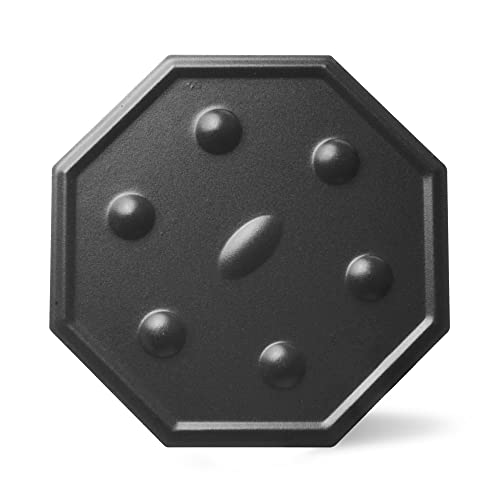
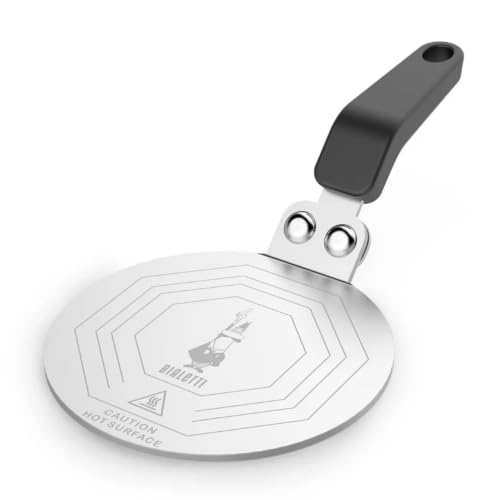

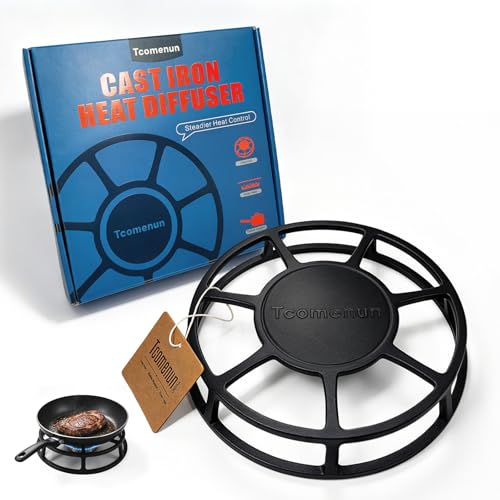
As an Amazon Associate we earn from qualifying purchases at no extra cost to you. Ratings are shown as listed on Amazon.
Quick comparison: which diffuser fits your stove?
| Diffuser type | Typical diameter | Approximate weight | Heat behavior | Best compatibility | Main drawback |
|---|---|---|---|---|---|
| Thin stainless-steel plate | 7–8 inches | 0.5–1.2 lb | Moderate spreading, quick response | Gas, electric coil, some glass tops | Can warp if overheated |
| Thick stainless-steel plate with aluminum core | 8–10 inches | 1.5–3 lb | Even distribution with steadier control | Gas, electric coil, many glass tops | Slower to heat and more expensive |
| Cast-iron diffuser | 7–9 inches | 2.5–5 lb | High heat retention, gradual changes | Gas and electric coil | Heavy; may scratch glass |
| Induction-compatible ferromagnetic disk | 8–10 inches | 1.5–4 lb | Transfers induction energy through the disk | Induction, if approved by the manufacturer | Less efficient and can trigger cooktop warnings |
| Flame-tamer mesh or perforated plate | 6–8 inches | 0.3–1 lb | Softens direct flame with limited heat storage | Gas only | Less even for large cookware |
Choose by cooking situation
| Your situation | Best choice | Why |
|---|---|---|
| Occasional simmering on a gas stove | 7–8 inch stainless-steel plate | Light, inexpensive, and responsive enough for routine sauce work |
| Frequent low-temperature cooking | Thick stainless steel with an aluminum core | Balances even heating with better control than cast iron |
| Very small saucepan on a large burner | Diffuser slightly larger than the pan base | Spreads energy beyond the pan’s small contact area |
| Glass-ceramic cooktop | Flat, smooth, lightweight stainless steel | Lower risk of scratching and easier to lift without dragging |
| Induction cooktop | No diffuser unless specifically approved | Direct induction-compatible cookware is usually more efficient |
| Maximum heat retention for a heavy pot | Cast iron | Stores heat well, but changes temperature slowly |
Material comparison: stainless steel, aluminum, and cast iron
Stainless steel
Stainless steel is the most versatile diffuser material. It resists rust, tolerates regular washing, and is less fragile than glass or ceramic. A thin plate responds relatively quickly when the burner is adjusted, but it may develop a slight bow if heated empty at high power. Look for a plate that is visibly rigid and has a flat underside rather than a very thin stamped sheet.
Many better diffusers use layered construction, such as stainless steel surrounding an aluminum core. Aluminum spreads heat efficiently, while the stainless exterior supplies durability and compatibility with a wider range of cookware. For frequent cooking, this is usually the best balance of evenness, weight, and control.
Cast iron
Cast iron offers strong heat retention and can smooth out fluctuations from an electric coil or gas flame. It is useful when a pot needs steady, gentle heat for a long period. The trade-off is weight: a 9-inch cast-iron plate can weigh several pounds before cookware is added. That makes it awkward on a glass cooktop and increases the chance of damage if it is dropped or dragged.
Cast iron may also develop surface rust if left wet. Dry it promptly and follow the care instructions for any seasoning. It is a poor choice when you frequently need to move the diffuser or change temperature quickly.
Aluminum
Aluminum spreads heat well and keeps weight down, but a bare aluminum diffuser may not be suitable for every cooktop or cleaning method. It can discolor, scratch more easily, and may warp when thin. Aluminum is most useful as an internal layer in a bonded stainless-steel diffuser rather than as a flimsy standalone disk.
Diameter and fit matter more than maximum size
Choose a diffuser that is slightly wider than the flat base of the pan, not necessarily wider than the burner. As a practical guide, measure the pan’s contact diameter and add about 1 to 2 inches. A saucepan with a 5-inch base usually suits a 6- to 7-inch diffuser; a pan with a 7-inch base generally suits an 8- to 9-inch diffuser.
A simple coverage calculation explains the benefit. A 5-inch pan base has about 19.6 square inches of contact area. An 8-inch diffuser has about 50.3 square inches, so it can distribute the burner’s energy across more than twice the area before heat reaches the pan. The diffuser does not eliminate heat loss, but it reduces the concentration of heat directly under the center of a small pan.
Do not choose a disk so large that it extends far beyond the burner or interferes with adjacent controls. On gas, the flame should remain beneath the diffuser rather than curling around its edge. On electric and glass cooktops, the plate should sit level and fully supported.
Handle design: useful feature or obstruction?
A fixed handle makes a hot diffuser easier to lift, but it also occupies space beside the burner and can become hot. It is most useful on a small, frequently moved plate. A removable or folding handle stores more neatly, though hinges and rivets create extra areas for grease to collect.
For a diffuser used under a large stockpot, a handle may be more nuisance than benefit because it can collide with the pot or neighboring cookware. If you choose one with a handle, look for a heat-resistant grip that stays clear of the flame, secure attachment points, and enough clearance to remove the plate without tipping the pan.
Cooktop compatibility and safe setup
Gas
Gas is the most forgiving surface for a diffuser. Place the disk centrally over the grate and keep the flame low enough that it does not rise around the sides. A diffuser is not a substitute for correct flame adjustment: excessive flame can heat the exposed edges and handle.
Electric coil
A flat metal diffuser can smooth the concentrated heat of a coil, especially under a small pan. Use a diameter that sits securely over the coil and avoid a badly warped plate, which can rock and heat unevenly. The diffuser will remain hot after the coil is turned down, so allow extra time for temperature changes.
Glass-ceramic
Check the cooktop manual before use. A smooth, flat, lightweight diffuser is safer than rough cast iron, but any metal disk can scratch the surface if it is dragged. Lift it vertically, keep the underside clean, and never use a plate with burrs, grit, or a raised rim that concentrates weight on a small area.
Induction
Induction heats magnetic cookware directly, so a conventional stainless-steel, aluminum, or cast-iron diffuser may not function as intended. A ferromagnetic disk designed for induction may transfer heat to nonmagnetic cookware, but it adds an extra thermal layer, slows response, and can cause uneven heating or a cooktop error. Directly using induction-compatible cookware is usually the better option. Only use an induction diffuser when both the diffuser and cooktop instructions permit it.
How to use and maintain a heat diffuser
- Inspect the underside. Remove packaging residue and confirm that the plate is flat, clean, and free of sharp burrs.
- Center it before heating. Align the diffuser with the burner or marked cooking zone, then place the pan in the middle.
- Preheat gradually. Start at low or medium heat for several minutes. This reduces thermal shock and gives the plate time to spread heat.
- Adjust more slowly than usual. A thick diffuser continues releasing stored heat after the burner is lowered, so reduce power before the food reaches the desired temperature.
- Cool naturally. Do not run cold water over a hot plate. Sudden temperature changes can warp metal.
- Clean according to the material. Wash stainless steel with mild detergent; dry cast iron immediately and maintain its protective surface. Avoid abrasive cleaners on glass-compatible plates.
The parts most likely to wear are thin edges that warp, handle fasteners that loosen, and surfaces damaged by dragging across glass. A diffuser that rocks, has a pronounced bow, exposes loose rivets, or leaves residue on cookware should be replaced. For occasional use, a basic stainless-steel plate in the general $15–$30 range is usually adequate. Heavier layered or induction-specific models commonly fall around $30–$70, while substantial cast-iron versions can cost roughly $25–$60.
Final recommendation
For most gas or electric users, choose a flat 8- to 9-inch stainless-steel diffuser, preferably with a bonded aluminum core and no protruding handle. Choose cast iron only when heat retention matters more than weight and responsiveness. On a glass cooktop, prioritize a smooth, flat underside and careful lifting. On induction, skip a generic diffuser and use compatible cookware unless the manufacturer explicitly approves a dedicated induction disk.

Write Your Review
No reviews yet. Be the first to share your experience!