

Key takeaways
- Tough-1 vs Weaver Leather horse halters: compare materials, hardware, sizing and fit, learn what to check on any listing and which suits your horse.
Between Tough-1 and Weaver Leather, neither brand wins every halter category, so the better pick depends on the specific model, the horse, and how the halter will be used. Tough-1 is widely known as a value-oriented line with a very large catalog, while Weaver Leather is commonly associated with a long-established leather and hardware range that spans budget to premium. Both sell many halter styles, and the difference between two models from the same brand can be bigger than the difference between brands. This guide compares them in general terms and shows what to check on any halter’s listing before ordering.
Short verdict
If the main goal is an inexpensive spare halter, a stall halter, or something for a growing youngster, a Tough-1 model is often a reasonable place to start. If you want to compare heavier leather, more hardware options, or a halter intended for daily wear and show, look at Weaver Leather’s leather lines too. Product lines change, so treat these as general tendencies and check current specifications for the exact halter you are considering.
Side-by-side comparison
| Factor | Tough-1 | Weaver Leather |
|---|---|---|
| General positioning | Value-focused, very wide range | Broad range, with budget through higher-end leather |
| Common materials | Nylon, leather, rope, and mixed designs | Leather, nylon, and rope, plus decorative options |
| Hardware | Varies by model; plated and solid options | Varies by model; check metal and finish |
| Sizing range | Several sizes, often from small to oversize | Several sizes, often from small to draft |
| Best for | Backup, turnout (with safety), everyday use | Show, daily wear, gift-quality leather |
| What to verify | Leather thickness, stitching, hardware | Leather grade, width, hardware, fit |
The table is deliberately general. Always compare exact product pages for current materials, dimensions, and warranty details.
What matters more than the brand name
A halter fits and wears according to a short list of details: leather thickness and finish, width of the noseband and crown, how the stitching is done, and the hardware. A thicker leather generally holds shape longer but takes more breaking in. Edges that are smooth and sealed are less likely to rub. Hardware that is solid metal tends to resist bending, whereas thin plated parts can pit or break. Stitching with even, tight spacing across stress points matters more than decorative extras.
Brand reputation gives a starting point, but individual models from either company differ widely, so read the specification text rather than relying on the logo.
Leather halter versus nylon: a quick note
Leather is often chosen for appearance, comfort, and the way it softens with care. Nylon is usually lighter, easier to wash, and less costly. Both brands offer both. For horses that spend time turned out, a halter with a breakaway crown or leather safety link is commonly recommended, because a strong halter can trap a horse that gets caught. Never leave a standard non-breakaway halter on an unattended horse unless the manufacturer and your trainer say it is suitable.
Getting the size right
Sizes usually run from foal and weanling up to average, large or oversize, cob, and draft, though names vary. Take three measurements: the circumference around the nose, the length from the poll behind the ears to the corner of the mouth, and the cheek-to-cheek distance. Compare them to the size chart for the exact halter, because a cob in one brand may not match a cob in another. The noseband should sit clear of the soft part of the nose and below the cheekbone prominence, with room to slide a couple of fingers under the noseband and throatlatch. Fit guidance varies, so check the manufacturer’s instructions.
A worked example
Assume you have a full-size horse with a medium-sized head that outgrew a “cob” halter. You measure the nose at a certain circumference and find two candidate halters, one from each brand, both in an average or horse size. Check the product pages for adjustable cheeks and a throatlatch, since adjustability extends the range. Next, check the width of the noseband and the thickness of the leather. If one listing lacks dimensions, look for another. If sizes seem borderline, choose the one with more adjustment holes or a size above, and confirm the return policy, since leather halters can be hard to return after use.
Hardware and stitching: a closer look
Buckles, snaps, and rings are the parts that take the load when a horse pulls back. Solid brass or stainless parts are commonly considered more durable than thin plated ones, although the listing should say which is used. On stitching, look for rows that run through the leather evenly at the crown, cheek, and noseband joins, and for rivets or Chicago screws that sit flush. Photos on a listing can reveal a lot, so zoom in on these points. If the description is vague about materials, that is itself useful information.
Use-case picks
- Spare or stall halter: a budget-friendly model from either brand is usually enough, as long as stitching and hardware pass a close look.
- Everyday handling and trailering: look for sturdy hardware, a throatlatch, and a width that spreads pressure comfortably.
- Turnout: prefer a breakaway design, or remove the halter, and follow your trainer’s advice.
- Show or gift use: compare higher-grade leather, edge finish, and decorative details from both brands.
- Young or fast-growing horses: choose adjustable cheeks and plan on replacing the halter as the head develops.
Common buying mistakes
The first is buying by price tier alone. A low price can be perfectly fine for a spare, but a cheap halter used daily on a strong horse may wear quickly. The second is ordering by size name without comparing measurements. The third is ignoring hardware, which is often the first part to fail. Finally, many buyers forget to think about use: a decorative halter built for the show ring is not necessarily the right piece for daily turnout, and a plain work halter may not suit a show.
Care and break-in
New leather is often stiff. Wipe off dust with a damp cloth, let it dry naturally, and apply a leather conditioner designed for tack according to its directions. Avoid soaking and avoid drying near direct heat. Inspect stitching, hardware, and the crown piece on a regular schedule, ideally before each ride or handling session, and replace the halter if leather is cracking or hardware is weakening.
What to check before buying
- Exact size name and published measurements, not only the label
- Leather thickness or weight if stated, and whether the edges are finished
- Solid or plated hardware, and whether the snap or buckle looks sturdy
- Adjustability at the crown and throatlatch
- Whether a breakaway option is offered for turnout
- Return policy and warranty terms on the current listing
Related guides
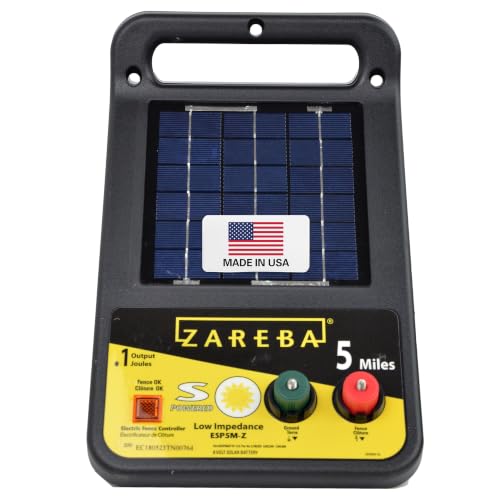
- Solar Electric Fence Chargers For Horse Pastures
- Fly Masks For Horses With Sensitive Eyes
- Saddle Pads For Horses With High Withers
Frequently asked questions
Is Tough-1 or Weaver Leather better for horse halters?
Neither is better in every case, and individual models vary. Tough-1 is generally seen as a value-oriented line with a huge selection, while Weaver Leather offers a broad range including higher-grade leather. The right choice depends on the specific model, materials, hardware, and fit, so compare current specifications for the halter you are considering.
Are leather halters safe to leave on in turnout?
A standard buckle halter is not designed to break under load, which creates a risk if a horse catches it. Many owners use a breakaway crown or a leather safety link for turnout, or remove the halter. Follow the manufacturer’s guidance and ask your trainer or veterinarian for advice on your setup.
How can you tell what size horse halter to buy?
Measure the nose circumference, poll-to-mouth length, and cheek width, then compare them with the size chart for the exact halter. Sizes such as cob, horse, and oversize vary between brands and models. Choose a halter with adjustable cheeks and throatlatch if possible, and confirm the return policy before buying, because used leather is often not returnable.
How long does a leather horse halter last?
There is no fixed lifespan. Quality, leather thickness, exposure to rain and sweat, and care all affect it. A regularly conditioned halter that is kept dry can last for years, while one left wet may crack sooner. Inspect stitching and hardware regularly and replace the halter if it shows wear.
Is a nylon or leather halter the better choice?
Nylon is lightweight, washable, and generally less expensive, while leather is chosen for looks, comfort, and a custom fit over time. Both brands make both types. Consider how the halter will be used, how it will be cleaned, and whether you need a breakaway design, then compare current product details for the models you are considering.




Write Your Review
No reviews yet. Be the first to share your experience!