

Key takeaways
- Use a stable, noncombustible surface. A metal, stone, or purpose-built outdoor table is preferable to plastic furniture. Confirm the manufacturer’s clearance requirements, especially above and behind the oven.
- Allow working space at the front. The oven may be compact, but you need room for a peel, turning peel, tray, flour, and a safe place to set hot cookware.
- Keep the propane cylinder upright and ventilated. Inspect the hose and regulator, connect them according to the manual, and check connections for leaks with soapy water before lighting. Never use a leaking hose or damaged regulator.
- Plan for wind. Strong wind can disturb ignition, reduce heat at the stone, and blow flames toward surfaces. Do not improvise a sealed windbreak around a gas appliance; use only manufacturer-approved accessories and maintain ventilation.
- Account for weather storage. A cover helps, but it does not replace dry storage for the stone, peel, and gas fittings. Moisture can damage burners and cause a damp stone to crack when heated.
The best propane pizza ovens for backyard cooking are the Ooni Koda 16 for large pizzas and entertaining, the Ooni Koda 12 for compact portability, the Gozney Arc XL for a more substantial insulated setup, and the Solo Stove Pi Prime for buyers who want a relatively simple 14-inch gas oven.
Propane ovens are usually the quickest route to restaurant-style pizza outdoors, but maximum temperature is only one buying criterion. Cooking-surface dimensions, burner layout, preheat time, wind resistance, fuel consumption, and the space needed around the oven affect whether a model is pleasant to use week after week.
Our top picks
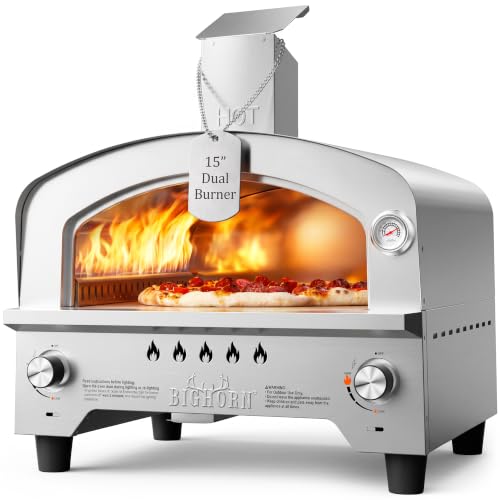


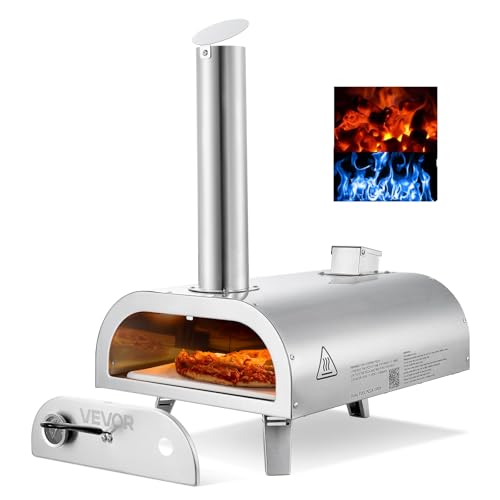
As an Amazon Associate we earn from qualifying purchases at no extra cost to you. Ratings are shown as listed on Amazon.
Best propane pizza ovens compared
| Oven | Maximum temperature | Cooking surface | Typical preheat | Approx. weight | Best fit |
|---|---|---|---|---|---|
| Ooni Koda 12 | Up to 950°F / 500°C | 12-inch pizza | 15–20 minutes | About 20 lb | Small patios and portability |
| Ooni Koda 16 | Up to 932°F / 500°C | 16-inch pizza | 20–25 minutes | About 40 lb | Large pizzas and groups |
| Gozney Arc XL | Up to 950°F / 500°C | 16-inch pizza | About 30 minutes | About 58 lb | Frequent cooks wanting robust insulation |
| Gozney Roccbox | Up to 950°F / 500°C | Approximately 12-inch pizza | 15–25 minutes | About 44 lb | Portable premium cooking |
| Solo Stove Pi Prime | Up to 950°F / 500°C | 14-inch pizza | 15–20 minutes | About 30 lb | Mid-size pizzas and straightforward controls |
These are published or commonly specified figures, not guarantees of cooking performance. Wind, outside temperature, propane pressure, dough thickness, and stone temperature can change the result. A thermometer reading at the rear of the oven does not necessarily represent the temperature of the stone where the pizza sits.
Head-to-head: which oven wins each decision?
Best for 16-inch pizzas: Ooni Koda 16
The Koda 16 is the most practical choice when a 12-inch oven feels restrictive. Its larger stone gives you room for a true 16-inch pizza and makes launching easier because there is more margin around the dough. The L-shaped gas burner provides strong heat from the side and rear, while the front-facing gas control allows fine adjustment during cooking.
The trade-off is size. The oven is heavy enough that most owners will leave it on a sturdy outdoor table rather than carry it in and out after every use. Its open front also makes it more sensitive to gusts than a fully enclosed appliance. For family pizza nights and parties, the extra surface area is worth the footprint; for one or two small pizzas, it is unnecessary bulk.
Best compact option: Ooni Koda 12
The Koda 12 is one of the easiest propane ovens to store and transport. It heats quickly, uses a familiar 12-inch format, and has a simple gas control rather than electronic menus or a complicated ignition system. It is particularly well suited to balconies or small patios where a 16-inch oven would dominate the available work surface.
A 12-inch opening demands better dough handling. A stretched pizza that is slightly oversized can catch on the oven mouth, and turning space is limited. The smaller stone also loses heat more quickly if you launch several cold pizzas in succession. Choose it for compactness and occasional use, not because it offers the highest capacity.
Best for insulation and frequent use: Gozney Arc XL
The Arc XL is aimed at cooks who value a substantial, well-insulated oven and a generous 16-inch cooking area. Its thicker construction helps maintain heat during repeated bakes, and the burner design supports a controlled flame path along the side of the chamber. That can make turning and browning more predictable once the stone is fully saturated with heat.
It is also the least convenient option here to move casually. The weight, larger footprint, and longer warm-up make it better for a permanent outdoor station. If you cook every weekend, the extra mass can be an advantage; if you need to carry the oven upstairs, portability should take priority over insulation.
Best portable premium design: Gozney Roccbox
The Roccbox combines a compact cooking chamber with thick insulation and a built-in carrying handle. It is smaller than the 16-inch models but can reach the same headline temperature. Its insulated body helps protect the surrounding table from excessive heat, although the oven still needs generous clearance and a heat-resistant surface.
The compact opening rewards 10- to 12-inch pizzas and works well for flatbreads, steaks, and vegetables when fitted with the appropriate gas setup. Its drawbacks are price, weight relative to its cooking area, and limited room for maneuvering a large pizza.
Best middle ground: Solo Stove Pi Prime
The Pi Prime sits between the 12- and 16-inch categories with a 14-inch cooking surface. That gives more launching and turning space than a compact oven without requiring the footprint of a large 16-inch model. Its propane burner and front control make it accessible to beginners who do not want to manage wood.
It is a sensible compromise for households that usually cook one or two pizzas but occasionally want a larger pie. Check the exact stand or tabletop configuration before buying, because the oven, base, and working surface can occupy more space together than the oven dimensions alone suggest.
Decision matrix for backyard buyers
| Your situation | Most suitable choice | Why | What to accept |
|---|---|---|---|
| Limited storage or frequent transport | Ooni Koda 12 | Lightest, quick setup, small footprint | Only 12-inch pizzas and less turning room |
| Weekly cooking for four or more | Ooni Koda 16 | Large stone and faster batch workflow | Heavier and more exposed to wind |
| Permanent outdoor kitchen | Gozney Arc XL | Large chamber and substantial insulation | Higher cost, weight, and warm-up time |
| Premium portable cooking | Gozney Roccbox | Insulated body and carrying handle | Smaller cooking surface for its weight |
| One or two pizzas with occasional guests | Solo Stove Pi Prime | Useful 14-inch compromise | Verify stand and storage requirements |
Fuel use and the real cost of a pizza night
Small propane pizza ovens commonly use roughly 0.7 to 1.3 pounds of propane per hour at high output, depending on the burner and control setting. A typical session includes 20 minutes of preheating and perhaps 15 minutes of active cooking, or about 0.6 hours of burner time. At an effective propane cost of $3 per pound, that is approximately:
0.6 hours × 1 pound per hour × $3 = $1.80 of propane per session.
That estimate excludes dough, toppings, electricity used for optional accessories, and the cost of propane containers. In practice, the biggest fuel-saving measure is not turning the flame down immediately after ignition; it is organizing toppings and dough before preheating so the oven is not left burning while you prepare.
Outdoor setup requirements that matter
- Use a stable, noncombustible surface. A metal, stone, or purpose-built outdoor table is preferable to plastic furniture. Confirm the manufacturer’s clearance requirements, especially above and behind the oven.
- Allow working space at the front. The oven may be compact, but you need room for a peel, turning peel, tray, flour, and a safe place to set hot cookware.
- Keep the propane cylinder upright and ventilated. Inspect the hose and regulator, connect them according to the manual, and check connections for leaks with soapy water before lighting. Never use a leaking hose or damaged regulator.
- Plan for wind. Strong wind can disturb ignition, reduce heat at the stone, and blow flames toward surfaces. Do not improvise a sealed windbreak around a gas appliance; use only manufacturer-approved accessories and maintain ventilation.
- Account for weather storage. A cover helps, but it does not replace dry storage for the stone, peel, and gas fittings. Moisture can damage burners and cause a damp stone to crack when heated.
How to preheat and cook more consistently
- Place the oven on its final outdoor surface and make sure the stone is dry.
- Light the burner with the control at the manufacturer’s recommended starting position.
- Preheat until the stone reaches roughly 750–850°F at the launch area for a fast, well-browned pizza. Use an infrared thermometer aimed at the stone, not the flame.
- Brush excess flour from the dough. Loose flour burns quickly and can create bitter smoke.
- Launch the pizza decisively, then reduce or adjust the flame if the crust is darkening before the toppings are ready.
- Turn the pizza every 15–30 seconds with a turning peel. The rear and side zones are usually hotter than the front.
- After cooking, shut off the gas at the oven control and then at the cylinder if the manual instructs you to do so. Let the oven cool completely before covering it.
Durability, cleaning, and common ownership mistakes
The pizza stone is usually the first consumable component. Thermal shock, trapped moisture, and dropping cookware can crack it. Do not wash a hot stone or soak it in water. After cooling, scrape away stuck food with a dry brush or scraper; normal darkening is expected.
Burner ports can collect flour, dust, and insects during storage. Inspect them periodically and clean only as directed. Avoid poking jets with oversized metal tools, which can deform the openings and change the flame pattern. Door accessories, covers, ignition batteries where fitted, and gas hoses also age faster when left outdoors year-round.
The most common mistake is chasing the maximum temperature instead of balancing stone heat with top heat. A stone that is too cool produces pale, tough dough; a stone that is overheated can burn the base before the cheese melts. For most buyers, the best propane pizza oven is the one whose cooking area and storage demands match the way they actually cook, not simply the model with the highest number on its thermometer.

Write Your Review
No reviews yet. Be the first to share your experience!